

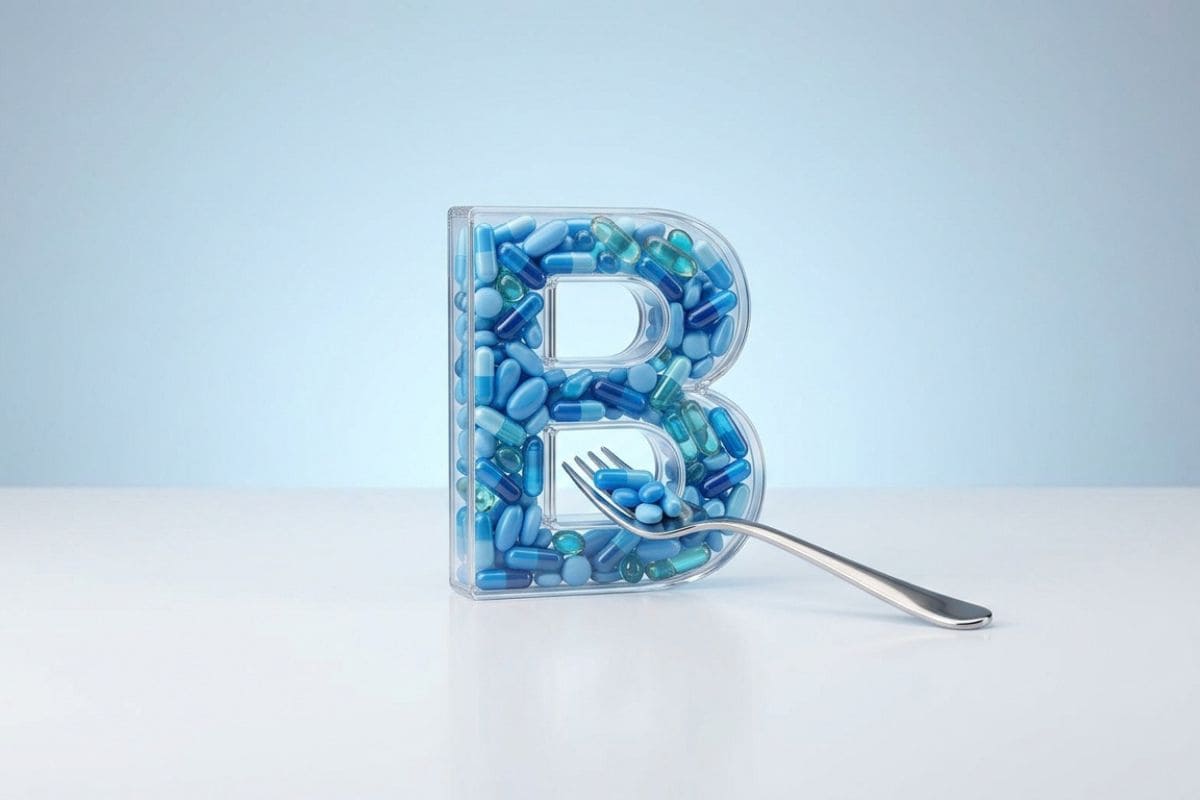
LIV Supplements © CC BY-SA 4.0
There's a difference between the vitamins everyone talks about and the ones that do their job without ever asking for credit. Vitamin B1 falls firmly into the second category, and has been working in the background of human nutrition long before anyone understood what a vitamin was.
Vitamin B1, also known as Thiamine, has a way of only being noticed if something feels off, and even then, it's rarely the first thing that comes to mind.
In this article, we’ll break down what Vitamin B1 is, what it does, and what to consider if you're weighing a supplement to fill the gap.
💡 LIV VITAMIN B1: Increase energy, cognition, metabolism, and absorption with LIV's liquid vitamin B1. Shop now! →
Summary
Vitamin B1 helps convert carbohydrates into energy, and supports nerve and cognitive function. Because the body produces none and stores little, regular intake from foods such as pork, beans, whole grains, nuts, seeds, fish, and fortified cereals is important. Low intake is often associated with fatigue, general weakness, appetite changes, irritability, and difficulty concentrating, particularly for those with restrictive diets, high alcohol intake, malabsorption concerns, heavy activity levels, and diets high in refined and processed foods. When choosing a supplement, consider its form, dosage, delivery format, ingredient quality, and label transparency.
Table of Contents
Thiamine Benefits: Caffeine Alternative for Energy
Vitamin B1 and Cognitive Function
The Best Vitamin for Nervous System Repair
Does B1 Speed up Your Metabolism?
Does Taking B1 Give You Energy?
Vitamin B1 Deficiency Symptoms
Benfotiamine With Thiamine Benefits
Vitamin B1 (Thiamine)
Vitamin B1, also known as Thiamine, is a water-soluble vitamin the body needs on a consistent basis and does not store in meaningful amounts. Because the body does not naturally produce Vitamin B1, even a few weeks of low intake can show up in how a person feels day to day. Thiamine plays a central role in energy metabolism, nervous-system function, and the way in which the body processes carbohydrates. It works quietly in the background of nearly every meal, converting the food a person eats into the fuel their cells run on.
Modern diets, particularly those built around refined grains, packaged snacks, and heavily processed foods leave many people short on this nutrient. People with elevated physical demands, restrictive eating patterns, and higher alcohol intake face a greater gap between what they consume and what their body needs.
What Is Vitamin B1?
Vitamin B1 is an essential micronutrient, meaning, the body cannot synthesize it on its own and depends entirely on food and supplements for a steady supply. It functions as a coenzyme, a molecule that partners with enzymes to carry out specific biochemical reactions.
Benfotiamine, the fat-soluble form of Thiamine, appears frequently in supplement formulations due to its distinct absorption profile. Thiamine functions as a vitamin that helps the body make use of the food it eats.
Energy Metabolism
Thiamine supports the enzymes responsible for breaking down carbohydrates and regulating glucose metabolism. This function sits at the foundation of the body's ability to generate energy.
Unlike the immediate jolt and sudden jitters associated with caffeine and sugar, Thiamine supports the very pathways responsible for energy production. Its effects are felt more consistently throughout the day. People whose diets lean heavily on carbohydrates have a particular reason to pay close attention to their Thiamine intake, as these metabolic pathways depend on it. Athletes and highly active individuals also process carbohydrates at a faster rate, which places additional demand on the same Thiamine-dependent systems.
Cognitive Function
The brain uses a large share of the body's total energy, depending almost entirely on glucose metabolism to meet the demand. Adequate B1 status is associated with mental clarity, sustained focus, and enhanced memory function. On the contrary, low Thiamine levels can compromise these same functions, highlighting the need for sufficient B1 intake. Nutrition represents one foundational piece of supporting cognitive performance day to day, working alongside adequate sleep, stress management, and physical activity.
Nervous-System Function
Thiamine contributes to healthy nerve signaling and nerve function throughout the body, supporting the electrical and chemical processes that allow nerves to communicate effectively with each other. B vitamins work across many nervous-system processes, with each carrying their own distinct role. Vitamin B1 belongs within a well-rounded nutrition plan that supports long-term nerve health.
Glucose Metabolism
Thiamine-dependent enzymes work directly in normal carbohydrate and glucose metabolism, acting at several steps in the pathway that breaks down sugars for energy use.
Benfotiamine receives particular attention in this context, due to its fat-soluble structure giving it a more effective absorption pathway than water-soluble Thiamine alone.
Digestion and Overall Wellness
Digestion and nutrient metabolism function as interconnected systems, and the body needs nutrients such as Thiamine to process food effectively. By helping to convert dietary carbohydrates into usable energy, Thiamine supports the metabolic side of digestion.
Risk Groups
Certain groups face a higher likelihood of inadequate Thiamine intake, including those following highly restricted diets. Heavy alcohol use also interferes with Thiamine absorption, making this population particularly vulnerable. Individuals with malabsorption concerns round out the ‘higher-risk’ category.
Since Vitamin B1 is sensitive to heat and water, food preparation and processing reduce Thiamine content substantially, making overall dietary quality crucial to healthy intake levels.
Common symptoms of vitamin B1 deficiency include confusion, fatigue, reduced appetite, irritability, difficulty concentrating, and general weakness.
Sources of Vitamin B1
Food-first nutrition remains foundational to meeting Thiamine needs for most people. Pork ranks among the richest natural sources, alongside beans, lentils, and peas. Whole grains and fortified cereals contribute meaningfully to daily intake, as do nuts, seeds, brown rice, trout, and nutritional yeast, which has become a popular addition for those following plant-based diets.
Since the milling process removes the germ and bran, refined grains generally contain less Thiamine than whole-grain alternatives. Many enriched products have B vitamins added back in during processing, helping to close the gap for people who rely on refined grains as a dietary staple.
Thiamine vs. Benfotiamine
A supplement becomes worth considering when dietary intake falls short of what the body needs or when individual nutrition requirements shift. Standard Thiamine is the water-soluble form of vitamin B1 and offers a direct, well-established route to supplementing intake, with a long history of use in both food fortification and standalone supplements.
Benfotiamine, the fat-soluble derivative version of B1, is commonly used for its formulation and absorption characteristics, which differ meaningfully from the standard water-soluble form as it pertains to digestion. Supplement quality, ingredient transparency, serving size, and format all factor into evaluating a given product. Readers can benefit greatly from accessing labels carefully.
LIV Vitamin B1
For readers considering a vitamin B1 supplement, LIV’s Liquid Vitamin B1 combines Thiamine with Benfotiamine into a single formula designed for daily use. Each serving provides 10 mg of vitamin B1, and 250 mg of Benfotiamine in liquid format to bypass the digestive steps involved in swallowing tablets. The formulation is vegan, gluten-free, and has no artificial preservatives or additives.
Combining a water-soluble and fat-soluble form of Thiamine in one product gives it particular relevance for those interested in nutritional support from a single, convenient source. Taking it is simple – simply place one-half dropper under the tongue for 15 seconds.
Conclusion
Vitamin B1 is a small nutrient with an outsized role in carbohydrate metabolism, energy production, and nervous-system function. Prioritizing Thiamine-rich foods provides a strong foundation for most people. Recognizing personal risk factors for low intake can help catch gaps before they become significant. Supplements serve a purpose when they align with individual dietary needs, offering a practical option for people who need extra support beyond what food alone provides.

You might also like:
- Vitamin B1 Theory: Is the Vitamin B1 Theory Confirmed? (2026)
- The Best Health Supplements: The Best Supplements to Take In 2026
Frequently Asked Questions
- What is vitamin B1?
- What is vitamin B1 good for?
- Is it okay to take vitamin B1 every day?
- What are the symptoms of vitamin B1 deficiency?
- Who should take vitamin B1?
- Does vitamin B1 give you energy?
- Is B1 good for brain fog?
- What is the best vitamin for nervous system repair?
- Why Thiamine before glucose in alcoholics?
- Can B1 cause digestive issues?
- How can I increase my B1 naturally? What food has the highest vitamin B1?
- Which form of B1 is best absorbed?
- How much B1 should you take per day? How should vitamin B1 be taken?
What is vitamin B1?
Vitamin B1 is a water-soluble essential micronutrient. The body cannot synthesize it on its own, nor can it store it in meaningful amounts, therefore, it depends on proper food and supplementation for a stable supply of it.
What is vitamin B1 good for?
Vitamin B1 plays a central role in energy production, nervous-system function, and the way in which the body processes carbohydrates. It works as a coenzyme, helping to carry out specific biochemical reactions.
Is it okay to take vitamin B1 every day?
Because the body doesn't store adequate amounts of vitamin B1, even a few weeks of low intake can show up in how a person feels day to day. Daily intake from food and supplements is needed to maintain appropriate levels.
What are the symptoms of vitamin B1 deficiency?
Common symptoms of vitamin B1 deficiency include: confusion, fatigue, reduced appetite, irritability, difficulty concentrating, and general weakness.
Who should take vitamin B1?
It is especially important that groups with a higher risk of vitamin B1 deficiency are supplementing their intake, including those with highly restricted diets, heavy alcohol use, malabsorption issues, elevated physical demands, and diets that are high in refined and processed foods.
Does vitamin B1 give you energy?
Vitamin B1 supports the enzymes responsible for breaking down carbohydrates and regulating glucose metabolism, helping the body create energy. Unlike the jolt and jitters associated with caffeine and sugar, vitamin B1 is felt more consistently throughout the day.
Is B1 good for brain fog?
The brain uses a large share of the body’s total energy, and depends almost entirely on glucose metabolism. Adequate B1 intake is often associated with mental clarity, sustained focus, and enhanced memory.
What is the best vitamin for nervous system repair?
Thiamine, also known as vitamin B1, contributes to healthy nerve signaling and nerve function throughout the body. It supports the electrical and chemical processes that allow nerves to effectively communicate with each other.
Why Thiamine before glucose in alcoholics?
Thiamine-dependent enzymes work directly in normal carbohydrate and glucose metabolism, acting at several steps in the pathway that breaks down sugars for energy use.
Can B1 cause digestive issues?
Vitamin B1 can improve digestion by converting dietary carbohydrates into usable energy.
How can I increase my B1 naturally? What food has the highest vitamin B1?
Foods high in vitamin B1 include: pork, beans, lentils, peas, whole grains, fortified cereals, nuts, seeds, brown rice, trout, and nutritional yeast.
Which form of B1 is best absorbed?
Benfotiamine is the fat-soluble derivative of vitamin B1. It is commonly used in supplement formulations due to its absorption abilities.
How much B1 should you take per day? How should vitamin B1 be taken?
For best results, place one-half dropper of LIV's liquid vitamin B1 under the tongue for 15 seconds.

Topics Discussed: Vitamin B1 benefits, Vitamin B1 foods, who should take vitamin b1, vitamin B1 deficiency symptoms


