

Longevity
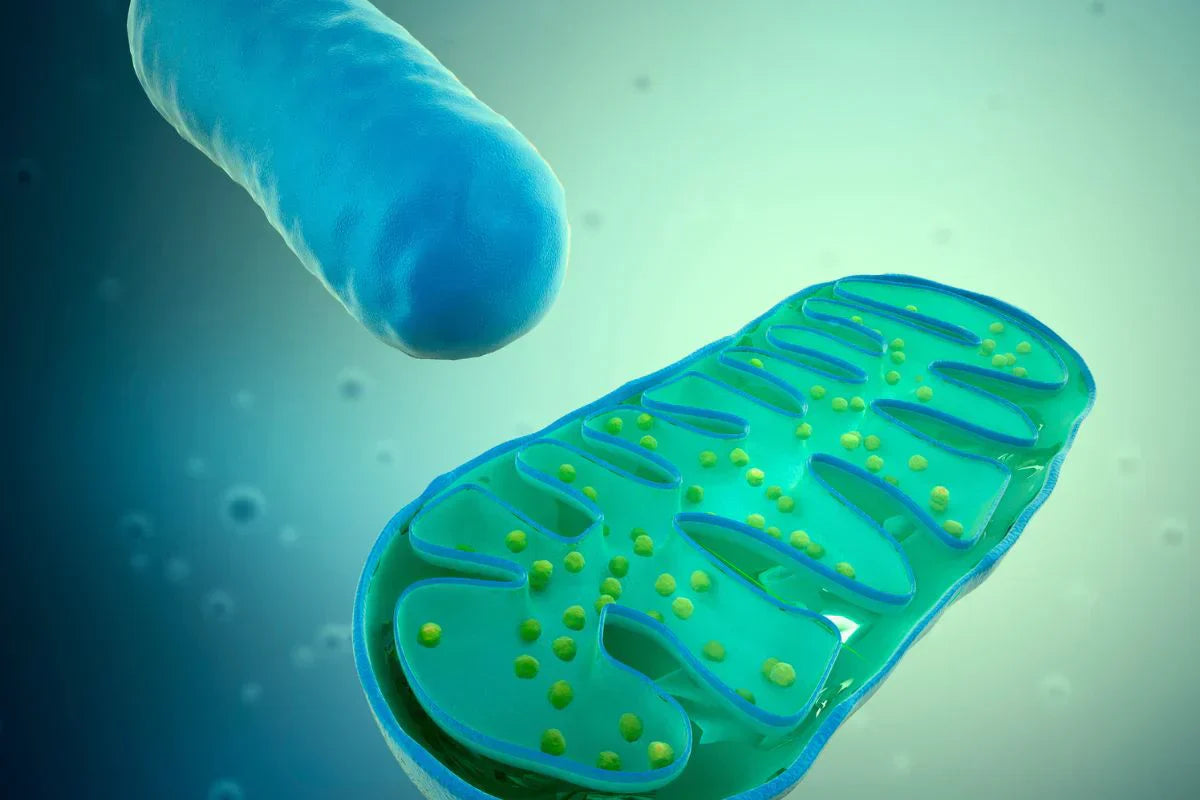

Methylene Blue for ADHD: A New Approach in 2025
Attention-Deficit/Hyperactivity Disorder (ADHD) is one of the most commonly diagnosed neurodevelopmental disorders worldwide. Characterized by persistent symptoms of inattention, impulsivity, and hyperactivity, ADHD can significantly disrupt academic performance, workplace productivity, emotional regulation, and overall quality of life. Conventional treatments such as Adderall (amphetamine salts) and Ritalin (methylphenidate) have helped many individuals manage their symptoms effectively, however these interventions often come with side effects such as sleep disturbances, appetite suppression, mood swings, and in some cases, dependency and tolerance. As a result, both patients and practitioners are increasingly looking toward complementary and integrative strategies that support brain function without compromising long-term health. This growing curiosity has placed a spotlight on nutraceuticals, nootropics, and mitochondrial support compounds such as methylene blue. Once relegated to niche scientific discussions, methylene blue is now being investigated for its impact on cognition, focus, memory consolidation, and even neurotransmitter modulation, all of which are highly relevant in the context of ADHD. In this article, we’ll dive deep into how methylene blue works in the brain, how it compares to other well-known ADHD supplements, and what science currently tells us about its potential as part of an ADHD-supportive protocol. From mechanism of action to practical dosing, this article is your roadmap to understanding how mitochondrial enhancement and redox optimization can change the way we approach ADHD. Whether you're a clinician exploring cutting-edge tools for cognitive support or an adult with ADHD seeking clarity amidst conflicting advice, this article brings precision, science, and strategy to the forefront. Summary Methylene blue shows potential as a supplement to support cognitive function and manage ADHD symptoms by enhancing mitochondrial activity and modulating neurotransmitters such as dopamine. Supplements such as omega-3 fatty acids, magnesium, zinc, and iron have been found to improve focus and attention by addressing common nutritional deficiencies linked to ADHD. Natural approaches including lifestyle changes, sleep optimization, and selective over-the-counter options like caffeine and L-theanine also play a key role in reducing symptoms. Understanding dopamine’s role and managing factors like dopamine crashes can further support ADHD management, highlighting the importance of combining supplements with evidence-based lifestyle strategies. Table of Contents Does Methylene Blue Help Mitochondria? What Supplements Are Good for ADHD? Does Methylene Blue Help ADHD? Does Methylene Blue Raise Dopamine? How Can I Reduce ADHD Symptoms Naturally? What Can I Take for ADHD Over the Counter? Symptoms, Causes, and Prevalence ADHD is a complex neurological disorder rooted in the brain’s chemistry and structure. At its core, ADHD presents through two primary clusters of symptoms: inattention and hyperactivity/impulsivity. Individuals may struggle with sustaining focus, organizing tasks, completing projects, managing time, and resisting distractions. Others may exhibit impulsive behaviors, restlessness, or difficulty remaining still, particularly in structured environments. While some experience both symptom types, others may present predominantly with one, leading to subtypes such as inattentive, hyperactive-impulsive, or combined. From a neurochemical perspective, dopamine and norepinephrine are central to the pathology of ADHD. These neurotransmitters regulate attention, executive function, motivation, and emotional control. In ADHD, dopaminergic signaling is often underactive, particularly in areas of the prefrontal cortex responsible for decision-making, working memory, and goal-directed behavior. Norepinephrine, which plays a critical role in alertness and response regulation shows dysregulation, contributing to symptoms of distractibility and poor impulse control. Beyond neurotransmitters, ADHD has been linked to mitochondrial dysfunction, oxidative stress, and cortical hypoarousal, all of which are being increasingly explored in the context of alternative therapies. While genetics play a significant role, environmental factors such as prenatal stress, early exposure to toxins, nutrient deficiencies, and chronic inflammation can influence the expression and severity of ADHD symptoms. This growing body of knowledge has opened the door to integrative, mitochondria-targeted interventions, making compounds such as methylene blue highly relevant in modern discussions about ADHD support. What Supplements Are Good for ADHD? When it comes to managing ADHD beyond prescription medications, targeted supplementation has become a powerful tool for improving focus, mood regulation, and overall neurological function. These supplements by addressing the underlying nutritional and biochemical imbalances that often drive attention and impulse issues. Omega-3 fatty acids, particularly EPA (eicosapentaenoic acid) have shown the most consistent benefit in both children and adults with ADHD. Supplementing with high-EPA omega-3 improves attention span, reduces impulsivity, and supports emotional regulation. This is due to EPA’s direct role in optimizing cell membrane fluidity and neurotransmitter signaling. The Best Anti-Aging Supplements in 2025 Magnesium is another foundational mineral for ADHD support. It regulates over 300 enzymatic reactions in the body, including those responsible for neurotransmitter synthesis and function. Low magnesium levels correlate with hyperactivity, restlessness, and poor sleep, all common challenges for those with ADHD. Iron, specifically ferritin (stored iron), is vital for dopamine production. Numerous studies have confirmed that individuals with low ferritin levels exhibit more severe ADHD symptoms, particularly inattentiveness. Supplementation improves attention and learning outcomes, especially in those with low baseline levels. Other supplements with well-documented roles in ADHD treatment include vitamin B6, n-acetyl cysteine (NAC), rhodiola rosea, panax ginseng, and phosphatidylserine. When combined, these supplements bring measurable improvements in daily functioning and long-term cognitive resilience. Methylene Blue Methylene blue is a synthetic compound first developed in the late 19th century, originally used as a textile dye before quickly finding a place in medicine. It was one of the first drugs used to treat malaria and later became a critical treatment for methemoglobinemia, a condition where oxygen delivery is impaired due to dysfunctional hemoglobin. Over the past century, its medical use has expanded, with methylene blue gaining attention for its unique biochemical properties that directly support cellular and neurological health. Methylene Blue: History, Uses, and Risks At the core of methylene blue’s function is its role as a redox agent and mitochondrial enhancer. It acts as an alternative electron carrier in the electron transport chain, bypassing dysfunctional segments of the mitochondria and enabling sustained ATP production even in stressed or energy-deficient cells. This effect is especially relevant for the brain, where mitochondria are responsible for generating the energy needed for neurotransmission, cognitive performance, and neuroplasticity. Methylene blue also exhibits direct regulatory effects on key neurotransmitters. It modulates acetylcholine, dopamine, and serotonin systems, all of which are critically involved in focus, attention, and mood stability; three pillars of ADHD pathology. Its dual action, both as a mitochondrial optimizer and a neuromodulator, makes methylene blue distinct from standard ADHD supplements and pharmaceuticals. Rather than overstimulating the brain and masking symptoms, methylene blue restores function from the ground up, strengthening the biological foundation for better cognitive control, memory, and emotional regulation. Focus, Dopamine, and Neural Efficiency Scientific research continues to validate methylene blue as one of the most compelling compounds for cognitive enhancement and neurological resilience. Unlike traditional stimulants that offer short-lived boosts in attention, methylene blue targets the foundation of cognitive performance. It increases cellular respiration in neurons, leading to heightened mental clarity, faster processing, and more stable attention regulation. One of the most important ways methylene blue supports focus is by enhancing dopamine signaling. Dopamine is the neurotransmitter tied to attention, motivation, and reward-based learning, three cognitive functions that are often dysregulated in individuals with ADHD. Studies show that methylene blue increases dopamine synthesis and preserves dopaminergic neurons by reducing oxidative stress, one of the leading causes of neurotransmitter degradation. By protecting and enhancing these pathways, methylene blue improves executive function, reduces distractibility, and supports sustained mental performance. Beyond dopamine, methylene blue improves overall neural efficiency by stabilizing the redox environment within brain cells. It reduces free radical buildup and oxidative damage, both of which impair cognitive function over time. Neuroimaging and memory-based studies reveal that individuals taking low doses of methylene blue demonstrate increased activity in brain regions associated with working memory, decision-making, and mental flexibility; all without the jitteriness and overstimulation common with other nootropic agents. These effects make methylene blue an ideal compound for those seeking a deeper, more sustained improvement in focus and cognitive output, especially when brain fog, low energy, and burnout become barriers to productivity. For individuals with ADHD or attention difficulties, methylene blue offers a mitochondria-first approach to cognitive optimization that goes beyond surface-level symptom relief. How Can I Reduce ADHD Symptoms Naturally? While ADHD is often managed with prescription medication, a growing number of individuals are turning to natural alternatives to reduce symptoms and regain control without relying on pharmaceuticals. The foundation of this approach begins with nutrition. A diet high in processed foods, refined sugar, and artificial additives can intensify ADHD symptoms, while whole foods, rich in omega-3s, healthy fats, protein, and complex carbohydrates provide more stable energy and support neurotransmitter production. Beyond diet, exercise is a proven tool for reducing ADHD symptoms. Regular movement, especially cardiovascular training, boosts dopamine and norepinephrine levels in the brain, improving attention, motivation, and mood. Activities such as running, swimming, martial arts, and walking can produce measurable changes in focus and hyperactivity. Pair this with consistent, high-quality sleep and you’ll tap into one of the most underutilized levers for ADHD management. Creating distraction-free workspaces, breaking tasks into smaller steps, using visual schedules, and implementing accountability systems can dramatically improve organization and productivity. Turning off unnecessary notifications and building structured routines can also help calm the brain’s tendency to wander. When combined, these strategies create a powerful, multifaceted approach to managing ADHD naturally. MB+™ | Methylene Blue Capsules (31 Day Supply) Over-the-Counter Options If you’re exploring ways to support ADHD symptoms without a prescription, the world of over-the-counter supplements offers a wide range of tools designed to enhance focus, attention, and mental clarity. While these aren’t substitutes for medical treatment, many individuals have found relief through targeted nootropics and nutrient-based interventions. Caffeine remains the most accessible and widely used Adderall alternative. By increasing dopamine and norepinephrine activity in the brain, caffeine can improve alertness and short-term cognitive performance. Pairing caffeine with L-theanine, an amino acid commonly found in green tea, can help to smooth out the jitters to promote calmer, more sustained focus. This combination is one of the most studied natural stacks for attention and productivity. Bacopa monnieri is another standout—an adaptogenic herb with a long history in Ayurvedic medicine. Studies show that bacopa improves memory retention, learning speed, and attention span, particularly when taken consistently over several weeks. It works in part by supporting acetylcholine levels and reducing oxidative stress in the brain. Ginkgo biloba, known for its ability to enhance blood flow and cerebral circulation, is often used to improve cognitive performance and executive function. Some research suggests it may reduce impulsivity and improve mental processing speed, particularly in children and adults with attention challenges. Other natural options include Rhodiola rosea, which boosts mental stamina under stress, and tyrosine, an amino acid that helps replenish dopamine during periods of cognitive demand. These ingredients work best when paired with foundational nutrients such as magnesium, zinc, omega-3s, and B-vitamins. While over-the-counter supplements don’t carry the intensity of prescription stimulants, they also avoid the harsh side effects and dependency risks. When used consistently and intelligently, they offer a safe and effective path to better focus, attention, and mental clarity for those looking to manage ADHD symptoms naturally. Future Outlook Methylene blue is rapidly gaining traction as a powerful tool in the evolving landscape of ADHD support. It stands apart from traditional supplements, introducing a new layer of precision and cellular optimization to ADHD supplementation strategies. For those navigating ADHD, the best outcomes come from a synergistic approach, combining high-quality, research-backed supplements with optimized sleep, movement, and nutrition. As research continues to expand, methylene blue is expected to play a prominent role in neurodevelopmental and cognitive performance protocols.
Learn more
Methylene Blue: A New Hope for Arthritis Treatment
Methylene blue has long stood at the intersection of chemistry and clinical care. First synthesized in the late 1800s, this vivid blue compound was initially used as a textile dye, but quickly found its place in medicine, where its applications have ranged from treating malaria to acting as a surgical stain and redox indicator. Its ability to modulate cellular metabolism, protect mitochondria, and influence oxidative stress has kept it relevant in both conventional and experimental therapeutic circles for well over a century. As interest grows in treatments that target inflammation and immune dysregulation, methylene blue is being evaluated for its potential in chronic conditions, including those rooted in rheumatology. Autoimmune and inflammatory disorders share common mechanistic threads that methylene blue is uniquely suited to address. In this article, we’ll explore how methylene blue’s pharmacological profile positions it as a serious candidate in the future of rheumatologic medicine and why clinicians and researchers are taking a second look. Summary Methylene blue is being explored as a promising arthritis treatment. Recent research indicates that methylene blue can alleviate inflammation and pain by reducing oxidative stress and suppressing inflammatory markers within joint tissues. Intra-articular injections of methylene blue demonstrated significant cartilage protection, reduction of synovitis (joint inflammation), and relief from pain behaviors. These effects appear to be linked to the upregulation of antioxidant pathways and the inhibition of pain-associated proteins in nerve cells and synovial tissue. Studies also indicate minimal side effects following methylene blue administration at therapeutic doses. Table of Contents Does Methylene Blue Help With Inflammation? How Does Methylene Blue Function as an Antioxidant? Is Methylene Blue Good for Inflammation in the Body? Does Methylene Blue Help Mitochondria? Does Methylene Blue Help Joints? Does Methylene Blue Reduce Oxidative Stress? How Much Methylene Blue Should I Take? Is Methylene Blue Safe? Does Methylene Blue Help With Swelling? Future Direction Understanding Arthritis: Prevalence and Progression Arthritis is an umbrella term for more than 100 disorders characterized by joint inflammation, stiffness, and pain. Affecting over 58 million adults in the U.S. alone, arthritis is the leading cause of disability nationwide, and its prevalence continues to rise as the population ages. While osteoarthritis is the most common form, rheumatoid arthritis (RA) represents one of the most complex and debilitating variations due to its autoimmune nature. Rheumatoid arthritis is a chronic systemic disease in which the immune system mistakenly attacks the body’s own joint tissues, primarily the synovium; the thin membrane that lines joints. Unlike mechanical “wear and tear” seen in osteoarthritis, RA is driven by inflammatory signaling, leading to progressive joint destruction, reduced mobility, and, in severe cases, multi-organ involvement. It affects approximately 1.3 million Americans, with women diagnosed at two to three times the rate of men. Diagnostically, RA is identified through a combination of clinical symptoms, serologic markers, and imaging studies. The disease typically begins with subtle symptoms such as fatigue, joint stiffness, low-grade fever, progressing into symmetrical joint swelling, pain, and functional impairment. If left untreated, RA can result in irreversible joint damage, cardiovascular complications, and systemic inflammation that affects organs beyond the musculoskeletal system. The current standard of care relies on immunosuppressants, corticosteroids, and biologics. Researchers are actively exploring additional strategies that can modulate the inflammatory cascade and improve cellular resilience, one of which is methylene blue. Inflammation, Oxidative Stress, and Cytokine Cascades At the core of arthritis is a destructive triad: chronic inflammation, oxidative stress, and a cytokine-driven immune response that progressively degrades joint integrity.In rheumatoid arthritis, the immune system mistakenly identifies the body’s own joint tissues as foreign invaders. This triggers an aggressive immune response within the synovial membrane, initiating a cascade of pro-inflammatory cytokines, primarily TNF-α (tumor necrosis factor-alpha), IL-1β, and IL-6. This persistent inflammatory activity leads to synovial hyperplasia, where the membrane lining the joint becomes thickened and invasive. Over time, the inflamed synovium begins to erode cartilage and bone, resulting in joint space narrowing, deformity, and functional loss. Immune cells activated during inflammation generate unstable molecules that damage cellular components such as DNA, proteins, and lipids. This oxidative burden not only accelerates joint degradation, but contributes to systemic fatigue and mitochondrial dysfunction, both of which are hallmark symptoms in RA patients. Further compounding this is the imbalance between pro-oxidant and antioxidant systems in the joint microenvironment. The inability to neutralize ROS perpetuates a feedback loop of inflammation, immune activation, and tissue breakdown. In osteoarthritis, the pathophysiology is more mechanically driven, but still involves low-grade inflammation and oxidative stress. Years of wear and tear weaken cartilage and expose underlying bone, prompting localized inflammation. Though less aggressive than RA, the oxidative and inflammatory components are still central to disease progression and pain. How Methylene Blue Works Methylene blue is not your average anti-inflammatory compound; it operates at the intersection of redox biology, mitochondrial function, and neuroimmune signaling, offering a multi-dimensional approach to managing the biochemical chaos seen in arthritis and rheumatoid arthritis. At the molecular level, methylene blue acts as a potent antioxidant, directly neutralizing reactive oxygen species (ROS) and stabilizing the oxidative environment within cells. It functions as a redox agent, cycling between oxidized and reduced states, allowing it to intercept and disarm unstable molecules before they can inflict damage on mitochondria, proteins, and cellular membranes. This antioxidant capacity is particularly important in joints, where oxidative stress drives both inflammation and structural deterioration. Beyond its antioxidant effects, methylene blue has a profound anti-inflammatory profile. It downregulates the production of key pro-inflammatory cytokines by modulating the nuclear factor-kappa B (NF-κB) pathway. NF-κB is a regulator of immune responses, and its inhibition by methylene blue reduces inflammatory signaling, helping to calm the overactive immune response seen in RA and mitigate pain, swelling, and tissue degradation. Methylene blue also supports mitochondrial respiration, particularly when it comes to inflamed tissue. It acts as an alternative electron carrier in the mitochondrial electron transport chain, bypassing damaged complexes and restoring efficient ATP production, a key advantage for cells struggling under inflammatory or oxidative pressure. In joints, this translates to better cellular energy availability for tissue repair, immune regulation, and detoxification. Perhaps most compelling in the context of arthritis is methylene blue’s role in modulating neural pain pathways. Chronic joint pain is amplified by central sensitization, where the brain and spinal cord become hypersensitive to pain signals. Methylene blue has been shown to reduce activity in NMDA receptors and nitric oxide synthase (NOS) pathways, both heavily implicated in neuropathic and inflammatory pain. By dampening this pain amplification, methylene blue helps restore normal pain perception, potentially reducing the reliance on traditional analgesics. Taken together, methylene blue’s combination of antioxidant, anti-inflammatory, and neuromodulatory properties make it uniquely suited to target the root drivers of arthritis and its underlying cellular dysfunction. Joint Pain While methylene blue has a well-established history in clinical medicine, its emerging role in rheumatology is being shaped by a growing body of clinical research. Methylene blue consistently demonstrates powerful effects on joint preservation, inflammation control, and pain reduction, offering strong mechanistic support for its therapeutic potential. In rodent models of osteoarthritis, methylene blue has been shown to protect cartilage from structural breakdown. One study found that intra-articular injections of methylene blue significantly preserved the integrity of articular cartilage and reduced cartilage fibrillation, a hallmark of early osteoarthritis progression. Histological analysis revealed that methylene blue reduced matrix metalloproteinase (MMP) activity, enzymes responsible for collagen breakdown, helping to maintain cartilage density and architecture. Beyond cartilage protection, methylene blue demonstrates anti-synovitic effects. In models of inflammatory arthritis, methylene blue administration led to a marked decrease in synovial membrane hyperplasia, inflammatory cell infiltration, and pannus formation, key drivers of joint destruction in rheumatoid arthritis. These effects were associated with reduced local expression of inflammatory mediators, including TNF-α, IL-1β, and COX-2, further confirming methylene blue’s direct action on the inflammatory signaling cascade. Perhaps most compelling are the compound’s documented analgesic effects. In several pain-based arthritis models, methylene blue significantly reduced limping, guarding, and weight imbalance on the affected limb. This pain relief correlates with decreased activation of nociceptive pathways, both at the site of inflammation and in the spinal cord. These findings suggest that methylene blue not only lowers peripheral inflammation, but modulates central pain sensitization, a critical mechanism in chronic joint pain. Importantly, these benefits appear to be dose-dependent and long-lasting, without the tolerance issues seen in conventional analgesics. Even low doses of methylene blue were enough to produce measurable improvements in joint function, mobility, and pain response. Taken together, experimental evidence paints a clear picture: methylene blue consistently reduces joint inflammation, protects cartilage from degradation, and relieves pain in preclinical models of arthritis. These findings establish a strong foundation for translating methylene blue into future human studies targeting degenerative and inflammatory joint diseases. Molecular Pathways What sets methylene blue apart from conventional anti-inflammatory agents is its ability to interact with molecular signaling, intervening in the core biological processes that drive inflammation, oxidative damage, and joint degradation. Its influence spans genetic expression, enzymatic activity, and redox signaling, making it a uniquely versatile molecule in the context of inflammatory joint diseases. One of methylene blue’s most impactful roles is its activation of the Nrf2 (nuclear factor erythroid 2–related factor 2) antioxidant pathway. Nrf2 is a regulator of cellular defense, responsible for upregulating antioxidant enzymes and cytoprotective proteins. When activated, Nrf2 translocates to the nucleus and initiates the expression of genes that combat oxidative stress, an underlying driver of synovial inflammation and cartilage degradation. Methylene blue enhances this pathway, leading to increased expression of PRDX1 (peroxiredoxin 1), a key antioxidant enzyme that neutralizes reactive oxygen species and supports mitochondrial health within joint tissues. Elevated PRDX1 levels have been associated with reduced inflammatory cytokine load and improved joint resilience. Beyond antioxidant modulation, methylene blue influences the activity of long noncoding RNAs; molecular regulators that fine-tune gene expression in chronic disease. Methylene blue has been shown to upregulate MEG3 (maternally expressed gene 3) and CILinc02, both of which are known to suppress inflammatory signaling in joint tissues. These lncRNAs play a critical role in repressing NF-κB-mediated pathways, a key driver of cytokine release and immune cell infiltration in rheumatoid arthritis. By restoring MEG3 and CILinc02 levels, methylene blue helps downregulate pro-inflammatory gene expression. At the enzymatic level, methylene blue suppresses the expression of COX-2, iNOS, and MMPs (matrix metalloproteinases), all of which contribute to joint inflammation and structural breakdown. Pain Relief and Functional Outcomes in Arthritis Arthritis is a daily battle against pain, stiffness, and diminished mobility. The ability to reduce pain while improving joint function is the benchmark for any meaningful arthritis therapy. Methylene blue delivers on both fronts, offering a scientifically grounded approach to relieving discomfort and restoring physical capacity. Multiple experimental models and early clinical observations have shown that methylene blue provides measurable analgesic effects, particularly in inflammatory joint conditions. By modulating the neural pathways responsible for pain perception, methylene blue reduces the intensity of pain signals processed by the central nervous system. In addition to its central effects, methylene blue acts locally within the joint microenvironment. Research has demonstrated its ability to reduce synovial inflammation, which is a key driver of nociceptive pain in arthritis. By lowering the expression of inflammatory mediators like TNF-α and IL-6, methylene blue decreases the chemical triggers that heighten pain sensitivity. In models of osteoarthritis, intra-articular injection of methylene blue has been shown to significantly reduce mechanical hyperalgesia and improve weight-bearing on affected limbs, both critical markers of functional recovery. Patients and animal subjects treated with methylene blue consistently demonstrate a greater range of motion, reduced joint swelling, and enhanced capacity for physical activity. For individuals with rheumatoid arthritis and osteoarthritis who struggle with conventional pain medications, methylene blue represents a promising alternative. It provides a pathway to sustained pain relief without reliance on opioids and NSAIDs, while simultaneously promoting joint tissue repair and systemic anti-inflammatory effects. In short, methylene blue doesn’t just reduce pain, it restores movement, enhances performance, and reclaims autonomy. Dosage and Practical Application When it comes to leveraging methylene blue for arthritis and joint inflammation, route of administration is important. Its effectiveness, whether targeting systemic inflammation or localized joint pain depends heavily on how it’s delivered and in what form. Fortunately, methylene blue is a highly versatile compound. For systemic support, methylene blue capsules provide a practical and effective option. At low doses, methylene blue crosses the blood-brain barrier and distributes efficiently throughout the body, targeting mitochondrial dysfunction and oxidative stress, two central mechanisms in both rheumatoid arthritis and osteoarthritis. Oral dosing typically ranges between 0.5 mg/kg and 2 mg/kg body weight, depending on therapeutic intent and patient tolerance. For anti-inflammatory and neuroprotective purposes, the sweet spot often lies in the low-dose range (10–20 mg per day). Starting low and gradually titrating upward is advised when integrating it into a daily regimen. Topical formulations of methylene blue such as creams, gels, and transdermal patches have also gained interest for localized joint and muscle pain. These preparations offer a non-invasive, user-friendly delivery system, ideal for individuals managing chronic inflammation in specific areas. Topical application allows for targeted relief without systemic exposure, making it a compelling option for those who may be sensitive to oral supplements or medications. No matter the delivery route, product purity is non-negotiable. Only USP-grade methylene blue should be used in therapeutic contexts to avoid contamination with industrial-grade variants, which may contain heavy metals and impurities not suitable for human use. Methylene blue can also be stacked with omega-3s, curcumin, CoQ10, or Nrf2 activators for synergistic effects on inflammation and mitochondrial health. Whether used as a standalone therapy or in combination with other longevity-focused compounds, methylene blue stands out for its multi-targeted action and versatility. Safety and Side Effects While methylene blue is gaining traction for its role in cellular health and inflammation modulation, it’s critical to understand the safety profile and clinical context in which it should be used. Like any bioactive compound, using it properly requires an understanding of potential side effects, interactions, and contraindications. At low therapeutic doses, methylene blue is generally well tolerated. Users can expect mild, harmless changes in urine color (often blue or green), a result of the compound’s dye-like properties. This is not a cause for concern. Gastrointestinal symptoms, such as mild nausea, stomach discomfort, and diarrhea are occasionally reported, especially if doses exceed the optimal range or when taken on an empty stomach. More serious risks arise when methylene blue is used improperly or in combination with contraindicated medications. The most notable and widely documented concern is serotonin syndrome, a potentially life-threatening condition that can occur when methylene blue is taken alongside SSRIs, SNRIs, MAO inhibitors, or other serotonergic drugs. This risk exists because methylene blue is a monoamine oxidase inhibitor (MAOI) at higher doses, which can elevate serotonin levels when combined with other agents that affect serotonin metabolism. For this reason, individuals on antidepressants or other serotonergic medications should use caution. Methylene Blue: History, Uses, and Risks Patients with glucose-6-phosphate dehydrogenase (G6PD) deficiency should avoid methylene blue. In these individuals, the compound can trigger hemolytic anemia, a serious and potentially life-threatening condition caused by the rapid destruction of red blood cells. Methylene blue may also interfere with certain lab tests, particularly those involving oxygen saturation and blood chemistry panels, due to its staining properties and redox activity. In terms of drug interactions, caution is warranted when combining methylene blue with antidepressants, antipsychotics, anticoagulants, blood thinners, chemotherapeutic agents, and stimulants such as amphetamines. Despite these cautions, the safety margin for low-dose methylene blue remains wide when used appropriately. The key is purity, proper dosing, and medical awareness. Products should always be USP-grade and backed by third-party testing to ensure the absence of heavy metals and other contaminants. MB+™ | Methylene Blue Capsules Comparative Effectiveness with Standard Treatments When it comes to managing arthritis, standard treatments such as NSAIDs, corticosteroids, and DMARDs have long been the frontline approach. These medications can reduce inflammation, alleviate pain, and slow disease progression. With that being said, they also come with well-documented limitations such as gastrointestinal side effects, immune suppression, long-term toxicity, and, in some cases, diminishing returns over time. Unlike NSAIDs, methylene blue exerts control over inflammation and oxidative damage without disrupting protective prostaglandin pathways. It operates upstream, targeting the root of chronic inflammation rather than just its symptoms. Compared to corticosteroids, methylene blue doesn’t suppress the immune system or come with the long-term risks of osteoporosis, blood sugar imbalance, or adrenal suppression. Its anti-inflammatory effects are tied to Nrf2 activation and cytokine modulation, offering a more physiologically harmonious approach to inflammation control. When placed alongside DMARDs (disease-modifying antirheumatic drugs), methylene blue offers something fundamentally different. Rather than altering immune pathways systemically or compromising immune function, it supports cellular resilience, preserving joint integrity and mitochondrial health in both synovial tissue and cartilage. This makes it a promising adjunct to DMARDs, reducing the need for escalated doses and overlapping immunosuppressants. Clinical and preclinical research indicates that methylene blue can slow cartilage degradation, reduce joint swelling, and relieve pain, especially when taken in therapeutic doses. Its unique mechanisms can enhance both symptom relief and structural preservation when layered into a modern arthritis treatment plan. Future Direction Arthritis treatment is evolving, and methylene blue is rapidly gaining attention as a serious contender in this shift. Methylene blue is no longer just a historical dye or niche pharmaceutical compound; methylene blue is proving itself as a multi-dimensional therapeutic, uniquely positioned to address the mitochondrial dysfunction, oxidative stress, and chronic inflammation at the root of joint degeneration. Methylene blue improves cartilage integrity, reduces inflammatory cytokine expression, and protects against oxidative damage, all while preserving cellular energy production in metabolically stressed tissue. It offers a level of precision and mechanistic depth that conventional drugs can’t match, making it ideal for integration into longevity-based and function-first care models. For those exploring non-traditional, evidence-based approaches, methylene blue is a science-backed, biologically active compound that is able to support resilience, reduce pain, and protect long-term joint function. Original article: https://takeimpact.com/blogs/blog/methylene-blue-a-new-hope-for-arthritis
Learn more
Why Methylene Blue Is Trending—and What Experts Say
Despite its flashy social media presence, methylene blue is not a trend. It’s a compound with a century-long track record, used in clinical medicine for its mitochondrial, neuroprotective, and redox-modulating properties. The online hype has triggered both enthusiasm and skepticism, some warning of side effects, others calling the fear overblown. The reality is clear: methylene blue delivers measurable physiological effects, and when used correctly, it supports brain energy metabolism, cellular resilience, and cognitive performance. This article cuts through the noise, so you know exactly what methylene blue is, what it does, and how to use it with precision. Summary With over a century of clinical use, methylene blue is a proven compound valued for its mitochondrial, neuroprotective, and redox-modulating benefits. Scientific research confirms its effectiveness for conditions such as methemoglobinemia and its off-label use for cognitive and metabolic enhancement. Most users report sharper focus, mental clarity, and faster recovery, with few side effects when used properly. Experts aren’t worried about methylene blue itself, but caution against low-quality, non-pharmaceutical sources. When sourced and used correctly, methylene blue is a safe, powerful tool for brain and cellular performance. Table of Contents Does Methylene Blue Help Mitochondria? What Are the Cognitive Benefits of Using Methylene Blue? What Does Methylene Blue Do to Cancer Cells? How Quickly Does Methylene Blue Kick In? Is Methylene Blue Safe? How Does Methylene Blue Affect Cellular Energy? The TikTok Craze: How Methylene Blue Went Viral Methylene blue’s sudden surge in popularity began with a video clip of RFK Jr. adding an unlabelled blue liquid to his drink. Although never explicitly confirmed, viewers quickly speculated that the substance was methylene blue, and the internet took over from there. Within days, TikTok flooded with #BlueTongue videos showing users staining their mouths while praising methylene blue for aiding in focus, energy, and brain performance. The momentum intensified as biohackers such as Bryan Johnson revealed methylene blue as part of their cognitive enhancement stacks, citing its role in mitochondrial optimization. Historical rumors of Mel Gibson using methylene blue as part of a cancer treatment resurfaced and added further intrigue, blurring the line between celebrity anecdote and scientific legitimacy. High-Profile Biohackers and Longevity Experts Using Methylene Blue Methylene blue isn’t just making waves on social media, it’s being integrated into the protocols of some of the most recognized figures in the longevity, neuroscience, and performance medicine communities. These individuals are not driven by trend cycles, they are data-driven, mechanism-oriented professionals known for vetting every compound they use. Bryan Johnson, founder of Blueprint, has openly included methylene blue in his cognitive enhancement stack. He cites its mitochondrial benefits and neuroprotective effects as reasons for its inclusion, using it to target ATP production, cellular efficiency, and brain oxygenation as part of his long-term aging reversal strategy. Ben Greenfield, a performance coach and functional health specialist, has also discussed methylene blue as a tool for cognitive enhancement, particularly in combination with photobiomodulation (red light therapy), leveraging its light-reactive properties to support neuronal energy metabolism and brain detoxification. In the clinical space, Dr. Francisco Gonzalez-Lima, a leading researcher in neuroscience and mitochondrial function, has been at the forefront of methylene blue research for decades. His work directly established methylene blue’s role in memory enhancement, neuroprotection, and brain energy metabolism, and it has influenced practitioners worldwide who now use low-dose methylene blue in cognitive protocols. Even longevity-focused physicians such as Dr. Peter Attia and Dr. David Sinclair have discussed the underlying mechanisms that methylene blue targets: mitochondrial decline, redox imbalance, and cellular aging. This level of interest from high-profile experts reflects a critical point: methylene blue isn’t just hype. It’s a molecule with real-world utility, supported by decades of clinical data and actively used by those who measure everything and optimize nothing by accident. The Science Behind Methylene Blue: Common Use Cases Methylene blue isn’t a new discovery, it’s an FDA-approved compound with well-documented medical applications. Its primary clinical use is in the treatment of methemoglobinemia, a condition in which oxygen delivery is impaired due to altered hemoglobin. Methylene blue rapidly restores oxygen-carrying capacity by converting methemoglobin back to its functional state. It is also approved for cyanide poisoning, where it acts as a redox agent to restore cellular respiration. Methylene blue is widely deployed off-label in advanced clinical settings. Surgeons rely on it as a diagnostic dye to stain tissues, map lymph nodes, and identify structural abnormalities during procedures. In infectious diseases, methylene blue has reemerged as a viable antimalarial, specifically in regions facing drug-resistant Plasmodium falciparum. It is also a central component of photodynamic cancer therapy, where its photo-activated properties are used to destroy tumor cells. Methylene Blue: A New Hope for Cancer Patients In neuroscience and metabolic medicine, methylene blue is now used to enhance mitochondrial function, improve memory recall, and stabilize mood in high-stress environments. It acts as an alternative electron carrier in the mitochondrial electron transport chain, directly increasing ATP production and reducing oxidative stress. In both clinical trials and performance optimization protocols, it consistently improves cellular energy metabolism, cognitive clarity, and neurological resilience. This is not speculation, it is measurable biochemistry. Methylene blue enhances redox cycling, improves brain oxygen utilization, and supports mitochondrial recovery in compromised cells. Its effects are validated across multiple domains: toxicology, oncology, neurology, and cellular metabolism. The compound’s rising popularity reflects its broad clinical versatility and its ability to deliver results across biological systems. What Real Users Report Beyond clinical research, a growing volume of anecdotal data from high-performance communities reveals consistent trends among experienced methylene blue users. These reports provide valuable insight into how the compound performs outside of controlled trials and in real-world, high-functioning contexts. Most users report a noticeable increase in mental clarity within 30 to 60 minutes of taking methylene blue. This typically includes sharper verbal processing, improved working memory, and enhanced task fluidity. Users describe the effect as clean, alert, and calm, distinct from stimulant-induced focus. There’s no jitteriness, no crash, and no emotional volatility. Instead, there’s a stable, sustained sense of mental efficiency that supports deep work, verbal fluency, and decision-making under pressure. A second common pattern is reduced fatigue and faster mental recovery after long hours of work or back-to-back meetings. Methylene blue is often described as a “cognitive reset button”—restoring baseline sharpness without the need for caffeine. Some report improved motivation and drive, likely due to enhanced mitochondrial output and dopaminergic support, though these effects vary depending on baseline neurochemistry. Hybrid athletes and endurance users report decreased lactic acid buildup, improved oxygen efficiency during zone 2 cardio, and faster muscular recovery following intense training. These are consistent with methylene blue’s role in supporting redox balance and ATP production. Methylene blue delivers measurable cognitive and metabolic enhancement with unmatched consistency. It is not hype, it’s biology. Why Experts Aren’t Worried The backlash against methylene blue stems less from the compound itself and more from misinformation and misuse. When used correctly, methylene blue carries a low risk profile. Documented toxicity is rare and occurs almost exclusively in cases of excessive dosing, unregulated products, and improper use with contraindicated medications. The real danger isn’t methylene blue, it’s industrial-grade contamination, poor sourcing, and negligible-use. Methylene Blue: History, Uses, and Risks Experts agree that pharmaceutical-grade methylene blue, when used within clinically accepted parameters, is safe, stable, and effective. The concern arises when users experiment with methylene blue that’s not intended for human consumption, exposing themselves to heavy metals, solvent residues, or microbial contaminants. Compared to compounds such as ivermectin, methylene blue has over a century of safety data, a well-understood pharmacology, and established use across multiple medical domains. Experts are not calling for panic. They’re calling for precision, purity, and intelligent use. Reminder 💡 Always use USP-grade methylene blue sourced from pharmaceutical-grade suppliers. This guarantees purity, verified potency, and eliminates the risk of contamination with industrial solvents or heavy metals. Conclusion Methylene blue’s viral rise on TikTok reveals more than just a fascination with biohacking aesthetics. While influencers chase blue tongues, the deeper story is rooted in science, one that spans over a century of clinical application and decades of research into mitochondrial health, neuroprotection, and redox biology. Pharmaceutical-grade methylene blue is a precision tool for enhancing cognitive performance, sustaining cellular energy, and reinforcing biological resilience. Its ability to optimize brain metabolism, support memory, and enhance cellular repair puts it in a category far beyond the average supplement. For those who approach methylene blue with scientific clarity and intention, the results are measurable. Whether you're optimizing for focus, longevity, or mitochondrial efficiency, methylene blue delivers on its promises. Ready to Upgrade Cellular Energy and Focus with Precision? MB+ isn’t just another supplement—it’s pharmaceutical-grade methylene blue, formulated for mitochondrial performance, cognitive clarity, and metabolic resilience. Verified purity. Backed by science. Trusted by those who demand results. Experience the difference—start your MB+ protocol today: Impacthealth Methylene Blue Original article: https://takeimpact.com/blogs/blog/why-methylene-blue-is-trending-and-what-experts-say
Learn more
Methylene Blue: History, Uses, and Risks
Originally developed in the late 1800s as a textile dye, methylene blue quickly gained recognition for its medical applications, ranging from treating malaria to reversing methemoglobinemia. Today, it’s making a resurgence in cutting-edge health conversations, touted for its potential as a nootropic, mitochondrial enhancer, and longevity-supportive compound. Despite the growing interest, methylene blue often leaves curious minds with more questions than clarity. Is it a supplement or a drug? How does it work at the cellular level? What are the real benefits, and is it safe to use outside of clinical settings? In this article, we’re tackling the most frequently asked questions about methylene blue, clearing up misconceptions and diving into what research says. We’ll explore its history, mechanisms of action, and emerging uses in neuroprotection, anti-aging, and energy optimization. Whether you’re biohacking or simply curious, this guide is designed to help you make an informed decision about this intriguing compound. Let’s dive into what methylene blue really is and what it has to offer. Summary Methylene blue was first used as a textile dye before becoming a medical treatment for conditions like malaria and methemoglobinemia. Today, it’s explored for cognitive enhancement, neuroprotection, and mitochondrial support. Its benefits stem from improving cellular energy and acting as an antioxidant. Table of Contents What Is Methylene Blue? What Year Was Methylene Blue Invented? Is Methylene Blue a Supplement? How to Take Methylene Blue? What Conditions Are Treated With Methylene Blue? Can You Take Methylene Blue Long Term? Is Methylene Blue Safe? How Long Does It Take for Methylene Blue to Work? What Reacts With Methylene Blue? How Is Your Methylene Blue Different from Other Supplements? What Are the Benefits of Methylene Blue? What Is Methylene Blue, and How Does It Work? Methylene blue is a pharmaceutical compound with a surprisingly diverse resume. First synthesized in the late 1800s as a textile dye, it quickly found a place in medicine where it was used to treat malaria, urinary tract infections, and methemoglobinemia, a condition that affects the blood’s ability to carry oxygen. But what makes methylene blue particularly compelling today is its unique mechanism of action. Methylene blue works by enhancing mitochondrial function; the process your cells use to create energy (ATP). It acts as an alternative electron carrier in the mitochondrial electron transport chain, helping to bypass damaged complexes and restore efficient energy production. This mechanism is especially relevant in cells with high energy demands, such as neurons. In addition to boosting ATP output, methylene blue also functions as a potent antioxidant, reducing oxidative stress and helping to stabilize cellular redox balance. These dual actions are what make methylene blue an area of growing interest in fields such as neuroprotection, cognitive enhancement, anti-aging, and metabolic health. Research has suggested its potential to improve memory, mood, and mental clarity, particularly in contexts of fatigue, brain fog, and age-related decline. Where Does Methylene Blue Come From? Methylene blue was first developed in the 1800s as a synthetic dye, but its unique chemical properties quickly drew the attention of the medical and scientific communities. Over the decades, it evolved from a simple dye into a widely used compound across various industries, including clinical medicine, laboratory research, and industrial processing. Its versatility stems from its molecular structure, which allows it to interact with biological systems in precise and beneficial ways. Today, pharmaceutical-grade methylene blue is synthesized in controlled laboratory environments to meet the highest standards of purity and safety. Unlike industrial-grade versions which may contain impurities or additives, USP-grade methylene blue is rigorously tested for identity, potency, and contaminants. This ensures it is suitable for use in sensitive applications such as research, clinical settings, and emerging wellness protocols. When quality and consistency matter, sourcing high-purity methylene blue from reputable suppliers is essential. Is Methylene Blue a Supplement or a Drug? Methylene blue occupies a unique space in the health landscape as both a drug and, increasingly, a compound used in supplemental wellness protocols. At higher doses, it is classified as a drug and is used for medical treatments such as methemoglobinemia, a rare blood disorder that affects oxygen delivery. At lower microdoses, methylene blue is commonly used as a nootropic and mitochondrial support compound, particularly for its ability to enhance energy metabolism, improve focus, and reduce oxidative stress. In this context, it is often referred to as a supplement. Methylene Blue: The Ultimate Biohack for Energy and Focus How Should I Take Methylene Blue? When using methylene blue for cognitive or mitochondrial support, dosage and timing matter. A common approach is to take 20 drops (approximately 10 mg) once or twice daily, depending on individual goals and tolerance. Most users find it beneficial to take methylene blue in the morning or early afternoon, as its energizing effects can help enhance focus and mental clarity throughout the day. Methylene blue is typically diluted in water to improve taste and ease of use. Because of its strong pigmentation, it’s important to handle it carefully; Avoid contact with clothing or porous materials, as it can permanently stain fabrics and surfaces. As with any compound that influences mitochondrial and neurological function, it’s recommended to start with a lower dose and monitor how your body responds. What Health Conditions Can Methylene Blue Be Used For? Historically, methylene blue was used primarily in hospital settings to treat methemoglobinemia, a rare condition that impairs the blood’s ability to carry oxygen. However, modern research has uncovered a much broader spectrum of potential applications, particularly in the areas of neurology, mental health, and cellular energy. Emerging evidence suggests that methylene blue can support cognitive function, memory retention, and mood stability, making it a promising compound for addressing brain fog, age-related cognitive decline, and even depressive symptoms. Its unique ability to enhance mitochondrial efficiency and reduce oxidative stress positions it as a potential tool in supporting individuals with chronic fatigue, neurodegenerative conditions, and mood disorders. Depression Relief: How Methylene Blue Offers New Hope Will I Build a Tolerance to Methylene Blue? One of the advantages of methylene blue is that it does not appear to cause tolerance or dependence, even with regular use. Unlike many stimulants or cognitive enhancers that diminish in effectiveness over time, methylene blue maintains its mitochondrial and neuroprotective effects without requiring escalating doses. That said, many users choose to cycle their intake; for instance, five days on and two days off, to give the body periodic rest and to optimize long-term results. This approach isn't required, but it may help maintain sensitivity and prevent any potential adaptation at the cellular level. Pay attention to how your body responds and adjust your routine as needed to sustain the benefits. Is Methylene Blue Safe? When used at appropriate low doses, methylene blue is considered safe. Methylene blue has mild MAO-inhibiting properties, which means it can interfere with neurotransmitter metabolism. Because of this, it should not be combined with SSRIs, MAOIs, or certain other antidepressants, as doing so may increase the risk of serotonin syndrome, a potentially serious condition. If you're currently taking psychiatric or neurological medications, it’s essential to consult a licensed healthcare provider before starting methylene blue. In healthy users following proper dosing protocols, side effects are rare, though temporary changes in urine color or gastrointestinal discomfort can occur. How Long Does It Take to Feel Results? One of the reasons methylene blue has attracted attention in the wellness and nootropic space is its rapid onset of effects. Many users report experiencing increased mental clarity, focus, and physical energy within 30 to 60 minutes of taking a single low dose. These short-term benefits are often attributed to enhanced mitochondrial activity and improved cellular energy production. The long-term benefits of methylene blue such as neuroprotection, mood stabilization, and cellular resilience tend to develop more gradually. Consistent use over the course of several weeks may be required to fully experience its cumulative effects. As with any longevity or cognitive support compound, results can vary depending on the individual, dosage, and overall health status. For best results, methylene blue is often used as part of a broader lifestyle approach that includes proper nutrition, sleep, movement, and stress management. Does Methylene Blue Interact with Medications? Methylene blue can interact with certain medications, which is why it’s essential to approach its use with caution, especially if you're currently taking prescription drugs. One of the most important concerns is its interaction with antidepressants, particularly SSRIs, SNRIs, and MAOIs. Because methylene blue has mild monoamine oxidase inhibiting (MAOI) effects, combining it with other drugs that influence serotonin levels can increase the risk of serotonin syndrome, a potentially dangerous condition. This precaution is particularly important if you're considering regular or high-dose use. How Is Your Methylene Blue Different from Other Supplements? Not all methylene blue supplements are created equal; quality matters when it comes to safety, effectiveness, and trust. Our methylene blue is pharmaceutical-grade and third-party tested, ensuring it meets the highest standards for purity, potency, and safety. Each batch is rigorously analyzed for contaminants such as heavy metals, which are verified to be well below drinking water standards. What sets our product apart is our commitment to radical transparency. Every bottle includes a smart QR code that links directly to the Certificate of Analysis (COA) for that specific batch. This gives immediate access to lab-verified data, so you know exactly what you're putting in your body. In a space where inconsistent sourcing and vague labeling are common, our methylene blue stands out for its traceability, clinical-grade quality, and user-first design. LIV Supplements - Methylene Blue 1% - USP (Pharmaceutical) Grade - 60ml Final Thoughts: Is Methylene Blue Worth Exploring? Methylene blue is more than a passing trend, it’s a compound with a rich clinical history and growing scientific interest for its roles in mitochondrial support, cognitive enhancement, and cellular resilience. Whether you're exploring it for focus, mood, neuroprotection, or overall energy, understanding how it works and how to use it safely is essential. When sourced properly and used responsibly, methylene blue can offer a valuable addition to your long-term wellness strategy. As with any powerful compound, quality and transparency matter. Choosing pharmaceutical-grade methylene blue that’s third-party tested and batch-verified ensures you’re getting both effectiveness and safety in every dose. Original article: https://takeimpact.com/blogs/blog/methylene-blue-history-uses-and-risks
Learn more
The Science Behind Red Light Therapy Explained (2025)
What was once a specialized treatment reserved for dermatology clinics and elite wellness centers has now become a mainstream skincare essential: red light therapy (RLT). Backed by decades of research and rapidly growing clinical support, RLT is celebrated for its ability to stimulate collagen production, reduce inflammation, and accelerate wound and scar healing, all without needles, chemicals, or downtime.Using specific wavelengths of red and near-infrared light, RLT works at the cellular level, triggering a natural cascade of healing and regeneration. The result? Smoother, firmer, more radiant skin, delivered through a non-invasive, pain-free modality that supports long-term skin health rather than masking surface-level concerns.As interest in science-driven, non-toxic skincare grows, red light therapy is earning its place as one of the most effective and accessible solutions for anti-aging, scar reduction, and inflammatory skin conditions. Whether you’re new to the technology or looking to deepen your understanding, this article explores how RLT works, what makes it effective, and why it’s become a go-to treatment for glowing, resilient skin at every age. Summary Red light therapy (RLT) is a non-invasive treatment that uses wavelengths of red and near-infrared light to penetrate the skin and stimulate cellular function. RLT works by enhancing the mitochondria’s ability to produce adenosine triphosphate (ATP), which is the energy currency of cells. This boost in cellular energy promotes faster repair and regeneration of tissue. Scientific studies show that RLT can increase collagen production, which helps reduce wrinkles, fine lines, and other signs of aging. It also reduces inflammation and oxidative stress, accelerating the healing of wounds, scars, and skin conditions such as acne and psoriasis. Additionally, red light therapy supports improved circulation and pain relief, making it beneficial for muscle recovery and joint health. Consistent use of red light therapy can lead to healthier, more radiant skin and overall improved well-being. It is praised for being a safe, drug-free, and painless treatment option with minimal side effects, suitable for a wide range of users seeking natural skin rejuvenation and healing. Table of Contents How Many NM Should Red Light Therapy Be?Does Red Light Help Scars?Does Red Light Reduce Inflammation?Does Red Light Therapy Help With Acne?What Is Phototherapy?Does Red Light Therapy Really Work for Anti-aging? How Red Light Therapy Works At its core, red light therapy (RLT) is about harnessing light to stimulate the body’s own healing and regenerative processes. Also referred to as photobiomodulation, low-level light therapy (LLLT), or cold laser therapy, this treatment uses precise wavelengths of red and near-infrared light, ranging from 630 to 700 nanometers, to penetrate deep into the skin and underlying tissues. Once absorbed, this light energy is taken up by the mitochondria. The light helps the mitochondria produce more adenosine triphosphate (ATP), the molecule responsible for fueling nearly every biological function in the body. With more energy, cells can perform their functions more efficiently, whether that’s generating new collagen, repairing damage, or reducing inflammation. This increase in cellular energy triggers a cascade of positive biological responses: enhanced skin regeneration, improved circulation, accelerated healing, and increased production of collagen and elastin, the two proteins most responsible for skin firmness and elasticity. It also helps normalize the inflammatory response, making it effective for calming skin conditions and promoting long-term skin health. Unlike treatments that simply exfoliate or chemically peel the surface of the skin, red light therapy works from the inside out, improving the health of skin cells at a foundational level. The result is not only healthier skin but skin that looks and feels younger, stronger, and more resilient over time. You Might Also Like: Methylene Blue | The Future of Anti-Aging Skincare? Anti-Aging and Scar Reduction Benefits Few skincare technologies offer the broad spectrum of benefits that red light therapy (RLT) does—especially when it comes to slowing visible aging and minimizing scarring. What makes RLT unique is that it works beneath the surface, triggering the skin’s natural regenerative processes rather than simply masking imperfections. One of the most well-documented effects of red light therapy is its ability to stimulate collagen and elastin production, the proteins responsible for maintaining skin’s firmness, elasticity, and youthful structure. As we age, natural collagen levels decline, leading to the formation of fine lines, wrinkles, and sagging. Clinical studies show that regular exposure to red and near-infrared light helps thicken the dermis, smooth wrinkles, and improve overall skin tone and texture—without the need for invasive procedures. In addition to its anti-aging effects, RLT has shown strong results in scar reduction and wound healing. Whether the scars are from acne, surgery, or injury, red light helps accelerate the repair process by improving circulation, reducing inflammation, and encouraging the production of new, healthy tissue. It not only speeds up healing but also supports more aesthetically pleasing outcomes, resulting in smoother, less noticeable scars. RLT also addresses other age-related skin concerns such as age spots, hyperpigmentation, and uneven tone, making it an all-in-one solution for skin rejuvenation. In one clinical study, over 90% of participants reported improvements in skin softness, clarity, and dark spot reduction after just eight sessions over a four-week period, highlighting the therapy’s effectiveness and efficiency. For those seeking a non-invasive, research-backed approach to skin renewal, red light therapy offers a safe, accessible, and impressively versatile tool. Whether you’re targeting signs of aging or looking to fade stubborn scars, RLT works from the inside out to restore skin’s natural vitality and resilience. Anti-Inflammatory Effects Chronic inflammation is one of the most overlooked yet powerful drivers of skin aging and a wide range of dermatological conditions. From redness and sensitivity to long-term tissue damage, unchecked inflammation disrupts the skin’s natural healing processes and accelerates visible aging. This is where red light therapy (RLT) excels not just as a cosmetic treatment, but as a scientifically grounded anti-inflammatory intervention. Red light therapy works by targeting the mitochondria, enhancing cellular energy production while simultaneously modulating the inflammatory response. The result is a noticeable reduction in redness, swelling, and irritation, which makes RLT particularly effective for individuals dealing with rosacea, eczema, psoriasis, and other inflammatory skin disorders. Unlike many topical treatments that only mask symptoms, RLT helps resolve inflammation at the source by improving circulation, reducing oxidative stress, and encouraging tissue repair. What’s more, its anti-inflammatory properties contribute significantly to RLT’s anti-aging benefits. Inflammation breaks down collagen, weakens the skin barrier, and leads to discoloration over time. By calming this process, red light therapy helps preserve the skin’s structure and supports a smoother, more even-toned complexion. It also promotes faster recovery from breakouts, irritation, and environmental stress—making it a valuable tool not just for problem skin, but for maintaining balance and resilience in all skin types. Red light therapy doesn't just soothe the skin, it helps restore its foundational health, making it a powerful addition to any long-term skincare or wellness strategy. Why Red Light Therapy Is Now Mainstream Red light therapy’s rise from a clinical niche to a skincare and wellness essential didn’t happen by accident; it’s the result of growing scientific validation, improved accessibility, and an increasing demand for non-invasive, effective health solutions. As consumers become more educated and selective about what they put on and in their bodies, therapies such as RLT have surged in popularity. One of the primary reasons for this shift is that red light therapy is safe, gentle, and requires no downtime. Unlike lasers, peels, or injectables, RLT doesn’t damage the skin’s surface. Instead, it works by energizing the skin from within, triggering collagen production, calming inflammation, and supporting cellular repair, all without discomfort or recovery time. This non-invasive nature makes it appealing for both preventative skincare and ongoing maintenance. Another factor driving mainstream adoption is the widespread availability of FDA-cleared home devices. Previously available only in professional settings, red light technology is now accessible for at-home use with devices that deliver clinically effective wavelengths and energy levels. This shift empowers users to incorporate consistent treatments into their daily routines, often with impressive, cumulative results over time. Red light therapy’s versatility is also key to its widespread appeal. While it's best known for reducing wrinkles and promoting youthful skin, RLT is also used to manage acne, stimulate hair regrowth, accelerate wound healing, and even reduce muscle and joint pain. This wide-ranging potential positions RLT not just as a beauty tool, but as a comprehensive wellness technology. As awareness continues to grow and technology improves, red light therapy is no longer an emerging trend—it’s a proven, practical solution at the intersection of skincare, science, and longevity. Expert Terms for Red Light Therapy As red light therapy continues to gain traction in both clinical and consumer settings, it’s common to encounter a variety of technical terms that all refer to the same core technology. In scientific literature and product descriptions, red light therapy is often described as photobiomodulation, a term that highlights its ability to modulate biological processes through light exposure. You may also see it referred to as low-level light therapy (LLLT) or cold laser therapy, both of which emphasize its non-thermal, low-intensity application compared to traditional laser treatments. Other synonymous terms include non-thermal LED light, biostimulation, and phototherapy—each reflecting a different aspect of how red and near-infrared light interacts with the body at the cellular level. Regardless of the terminology, all of these labels describe the same underlying mechanism: the use of specific light wavelengths to stimulate healing, reduce inflammation, and enhance tissue regeneration. Understanding these terms can help you navigate research, device specifications, and professional recommendations with greater clarity and confidence. Methylene Blue: A New Hope for Cancer Patients Conclusion Red light therapy is far more than a passing trend—it’s a science-backed, mainstream solution for those looking to rejuvenate skin, minimize scars, and combat the visible signs of aging. Its non-invasive nature, paired with consistent clinical validation, makes it one of the most accessible and effective tools in modern skincare and wellness. By harnessing specific wavelengths of light to stimulate collagen production, accelerate cellular repair, and calm inflammation, RLT provides a powerful, natural path toward smoother, firmer, and more resilient skin. Whether used at home or in a clinical setting, red light therapy offers a low-risk, high-reward approach to supporting long-term skin health and radiance. Also Read: The Best Anti-Aging Supplements in 2025 Original article: https://takeimpact.com/blogs/blog/the-science-behind-red-light-therapy-explained
Learn more
The Benefits of Methylene Blue for Skin and Aging (2025)
As longevity science evolves, so does the search for compounds that don’t just mask aging, but target its root causes. One unlikely candidate gaining traction is methylene blue, a compound with over a century of medical history that’s quietly becoming a focal point in anti-aging research. Unlike trendy skincare ingredients that deliver surface-level results, methylene blue is being studied for its deep cellular effects, particularly in mitochondrial function, oxidative stress reduction, and skin cell longevity. This article breaks down why this unassuming blue compound might just be one of the most powerful longevity allies science has uncovered. could methylene blue be the next-generation tool for skin rejuvenation and healthy aging? Summary Methylene blue improves mitochondrial function and reduces oxidative stress in skin cells, key factors in the aging process. It increases collagen production, skin hydration, and elasticity, helping to maintain skin structure and strength. Unlike retinol, methylene blue does not cause irritation or sensitivity, making it suitable for people with sensitive skin. It protects skin from environmental damage such as UV radiation and pollution. Methylene blue also supports the health of skin stem cells, which are important for skin regeneration and long-term maintenance. Overall, it is an effective ingredient for supporting skin health. Table of Contents What Is the Miracle Drug for Aging? What Is the Most Powerful Anti-Aging Substance? Does Methylene Blue Make You Look Younger? Is Methylene Blue Better Than Retinol? What Is the Miracle Drug for Aging? Methylene blue is increasingly being spotlighted as a promising candidate in the field of anti-aging and longevity science. This compound has a long history of medical use and is now being explored for its mitochondrial-enhancing and antioxidant properties, two pillars in the fight against cellular aging. Originally developed as a dye and later used to treat conditions such as malaria and methemoglobinemia, methylene blue has recently captured the attention of longevity researchers. One of its standout features is its ability to boost mitochondrial function, helping cells produce energy more efficiently while also minimizing the buildup of damaging reactive oxygen species (ROS). This dual action is essential in slowing the biological processes that drive skin aging, tissue breakdown, and cellular fatigue. In laboratory studies, methylene blue has been shown to extend the lifespan of skin cells, enhance collagen production, and reduce markers of oxidative stress, key contributors to visible aging. Studies even suggest that methylene blue may reverse signs of aging in human skin cells, including improvements in skin thickness, hydration, and elasticity. Methylene blue’s unique ability to support cellular energy, reduce inflammation, and preserve youthful function at the cellular level positions it as one of the most compelling anti-aging tools. As research progresses, it continues to stand out as a multi-functional compound with exciting implications for both skin health and systemic longevity. What Is the Most Powerful Anti-Aging Substance? The answer to what constitutes the “most powerful” anti-aging substance depends largely on the goal; anti-aging is a multifaceted challenge, and no single compound addresses all aspects of biological decline. With that being said, when it comes to skin aging, mitochondrial health, and cellular repair, methylene blue is emerging as a top contender in the conversation around next-generation anti-aging therapies.Unlike many conventional antioxidants that work primarily on the surface or through indirect pathways, methylene blue exerts a dual-action effect; it not only neutralizes reactive oxygen species (ROS) that contribute to oxidative stress and tissue breakdown, but it also enhances mitochondrial respiration, thereby improving the very engine of cellular energy production, adenosine triphosphate (ATP). This is a key differentiator, as most signs of aging begin at the mitochondrial level where decreased energy output and rising oxidative stress lead to visible deterioration in skin tone, elasticity, and barrier integrity. In comparative studies, methylene blue has outperformed several of the most respected mitochondrial-targeted antioxidants, including N-acetyl-L-cysteine (NAC), MitoQ, and MitoTEMPO. It has been shown to reduce cellular senescence, support DNA repair, and significantly improve the proliferation and vitality of skin cells, especially in fibroblasts, which are critical for producing collagen and elastin. These improvements translate into visibly younger, firmer, and better-hydrated skin. Even more compelling is methylene blue’s ability to extend the lifespan of skin cells, increase resistance to environmental stressors such as UV exposure and pollution, improving skin structure and thickness, all without the irritation commonly associated with retinoids or the instability of other antioxidants. Methylene blue isn’t only being studied in isolated cell lines or theoretical models; its effects have been demonstrated in 3D human skin models, providing more realistic data on how it performs in human tissue. These studies have shown meaningful increases in collagen density, hydration, and antioxidant enzyme activity, reinforcing its position as a highly effective skin-rejuvenating compound. While there may not be a single “miracle molecule” for reversing aging, methylene blue’s unique ability to target both mitochondrial dysfunction and oxidative stress simultaneously, places it at the forefront of anti-aging research. Whether used topically or systemically, it holds immense promise not just for cosmetic enhancement, but for deep biological support of skin function and longevity.As the science continues to unfold, methylene blue is poised to become a cornerstone compound in the next generation of longevity-focused skincare and cellular rejuvenation protocols. Does Methylene Blue Make You Look Younger? Emerging research suggests that methylene blue does more than protect the skin, it may actively rejuvenate it. In both in vitro studies and 3D human skin models, this compound has demonstrated the ability to make skin appear and function more youthfully, with improvements that go far beyond the surface.What sets methylene blue apart from traditional skincare ingredients is its impact on cellular longevity and mitochondrial function. Studies show that methylene blue increases skin thickness, boosts hydration, and reduces the expression of genes linked to cellular aging. These effects are particularly evident in dermal fibroblasts; the collagen-producing cells that form the structural backbone of the skin. In laboratory settings, fibroblasts taken from older individuals began to behave like those from much younger skin when treated with methylene blue. They demonstrated increased higher metabolic activity and significantly fewer markers of cellular senescence; the state in which cells stop dividing and begin contributing to tissue breakdown. The visual results of these biological changes are compelling. Firmer skin, smoother texture, enhanced elasticity, and improved barrier function are all hallmarks of youthful skin. In contrast to surface-level treatments that temporarily plump or mask signs of aging, methylene blue promotes deep, structural repair by restoring the function of the cells that maintain skin’s architecture.Its unique mechanism also offers protection from external stressors. By improving mitochondrial performance and reducing oxidative damage, methylene blue helps the skin withstand environmental aggressors such as UV radiation and pollution, two major drivers of premature aging.The current body of research strongly supports methylene blue as one of the most promising compounds for true cellular skin rejuvenation. Its capacity to both prevent and reverse key markers of aging positions it not only as a protective agent, but as a proactive solution for those seeking to maintain healthy, youthful skin over the long term.For individuals looking for a science-backed alternative to harsher anti-aging ingredients, methylene blue represents the next frontier in skin longevity and advanced dermal care. © 2025 impacthealth. Licensed under CC BY-NC 4.0. Is Methylene Blue Better Than Retinol? For decades, retinol has held its place as the industry standard in topical anti-aging skincare. As a derivative of vitamin A, it’s widely praised for its ability to stimulate collagen production, increase cell turnover, and reduce the appearance of fine lines, wrinkles, and hyperpigmentation. However, these benefits often come at a cost. Retinol is notorious for causing skin irritation, dryness, redness, flaking, and heightened sensitivity, especially when used in high concentrations or over long periods. For individuals with sensitive or compromised skin barriers, these side effects can limit its use or make it unsustainable altogether.Enter methylene blue, a compound from the world of cellular and mitochondrial medicine that is now gaining serious attention as a next-generation alternative to retinoids. Unlike retinol, which forces rapid skin cell turnover and can trigger inflammation in the process, methylene blue takes a biologically supportive approach. It enhances mitochondrial efficiency, reduces oxidative stress, and extends the functional lifespan of skin cells, delivering anti-aging effects without forcing the skin into a cycle of over-exfoliation and recovery. In terms of outcomes, methylene blue doesn’t just hold its own against retinol, it has shown the potential to outperform it in several key areas. Studies comparing the two have found that methylene blue reduces oxidative stress, improves skin hydration, stimulates collagen, and enhances overall skin resilience and barrier function. Methylene blue also supports skin stem cell preservation, while evidence suggests that chronic use of high-strength retinoids may gradually deplete these regenerative cells, accelerating long-term thinning and sensitivity.For those with reactive skin, aging concerns, or an interest in longevity-based skincare, methylene blue offers a more sustainable, gentler, and scientifically advanced alternative. It may not replace retinol across all use cases, but it does present a compelling option for those seeking skin regeneration without inflammation. As more research validates its benefits, experts are increasingly viewing methylene blue as not just an alternative, but a superior evolution of topical anti-aging science, one that aligns with the goals of cellular preservation, mitochondrial health, and long-term skin vitality. MB+™ | Methylene Blue Capsules The Bottom Line Methylene blue is rapidly emerging as one of the most compelling compounds in the next generation of anti-aging science, particularly for its applications in skin health and cellular longevity. What sets it apart is its multidimensional mechanism. It doesn’t just treat symptoms on the surface, but actively works at the mitochondrial level to reduce oxidative stress, enhance energy production, and extend the functional lifespan of skin cells.Unlike traditional ingredients like retinol, methylene blue supports deep cellular regeneration without compromising skin barrier integrity or stem cell viability. Research has shown it can increase collagen and elastin, improve hydration, and reduce markers of cellular aging, translating into firmer, smoother, and more resilient skin.While there’s not a singular “miracle drug” for anti-aging, the current body of evidence strongly supports methylene blue as one of the most promising anti-aging substances available today. For those seeking effectiveness and gentleness in their skincare or longevity protocol, methylene blue offers many advantages.As clinical research continues to evolve, methylene blue is poised to become more than just a niche compound; it may soon be a cornerstone of advanced anti-aging therapies, offering benefits that go beyond skin deep to support whole-body vitality and resilience. You Might Also Like: Methylene Blue | The Future of Anti-Aging Skincare? Original article: https://takeimpact.com/blogs/blog/the-benefits-of-methylene-blue-for-skin-and-aging
Learn more
Methylene Blue and Testosterone: Boost Energy & Vitality
Testosterone plays a foundational role in male health, shaping everything from muscle mass and strength, to mood regulation and metabolic function. Optimal testosterone levels are essential not only for performance and physical resilience, but for mental clarity, confidence, and long-term health. As men age, testosterone levels naturally decline. This process can be accelerated by chronic stress, sleep disruption, poor diet, environmental toxins, and sedentary living. Over time, this hormonal decline can manifest as fatigue, weight gain, low motivation, and a general sense of diminished vitality. This growing awareness has fueled demand for safe, sustainable strategies to support testosterone without turning to pharmaceutical interventions such as testosterone replacement therapy (TRT). As a result, attention has shifted toward compounds that focus on cellular and mitochondrial health. Originally developed in the 19th century, methylene blue is now being studied through a new lens. Its ability to improve cellular energy, protect against oxidative stress, and modulate metabolic pathways make it uniquely positioned in the world of functional and performance medicine. In this article, we’ll explore the science behind methylene blue’s role in testosterone support, how it works, and why it deserves a place in hormone optimization for men looking to reclaim energy, strength, and vitality. Summary Methylene blue supports hormone health in men by boosting testosterone production, improving mitochondrial function, and reducing oxidative stress. Studies show that methylene blue can lead to higher energy, better workout recovery, and enhanced overall vitality. Methylene blue’s benefits extend beyond testosterone, aiding in performance, weight management, and healthy aging. Table of Contents Does Methylene Blue Raise Testosterone? How Can You Increase ATP Production? Why Are People Taking Methylene Blue Now? Does Methylene Blue Help Mitochondria? What Is USP Grade Methylene Blue? Can You Take COQ10 With Methylene Blue? Is Methylene Blue a Stimulant? Daily Supplementation and Testosterone Levels Emerging research offers compelling evidence that methylene blue can positively influence testosterone levels, particularly through its effects on cellular energy, oxidative stress, and testicular function. In one notable study, male rats exposed to cisplatin were treated with methylene blue. The results were striking; methylene blue significantly increased testosterone levels, improved sperm count, motility, and viability, and reduced oxidative damage within the testes. Not only did methylene blue protect against the harmful effects of cisplatin, but it also restored reproductive function, suggesting a direct role in supporting hormonal balance and fertility. A 2023 study of adult males found that daily supplementation with methylene blue led to a 15–24% increase in testosterone over a 12-week period. These changes were accompanied by improvements in energy, libido, and overall sense of vitality. Another study focused on cellular mechanisms found that methylene blue enhanced testosterone production in Leydig cells, the primary cells responsible for synthesizing testosterone. This enhancement was attributed to improved mitochondrial function, a crucial factor in hormonal output, particularly as men age and mitochondrial efficiency declines. Together, these studies indicate that methylene blue offers both protective and performance-enhancing benefits for the male reproductive system. By improving mitochondrial energy and reducing oxidative stress, methylene blue supports hormonal resilience at the cellular level, making it a promising tool in hormone optimization strategies; particularly for men facing stress-induced hormonal decline and age-related testosterone-reduction. How Does Methylene Blue Boost Testosterone? Methylene blue's ability to support testosterone production lies in its interaction with the body’s mitochondrial and cellular systems. At the heart of testosterone synthesis are the Leydig cells; cells located in the testes responsible for producing testosterone in response to luteinizing hormone (LH). As men age and the body endures chronic stress, mitochondrial efficiency declines, leading to lower energy availability and impaired hormone output. Functioning as a low-dose electron cycler, methylene blue helps to optimize the electron transport chain within the mitochondria, improving ATP production, the fuel required for nearly every biological process. In compromised or aging cells, methylene blue bypasses blockages in mitochondrial Complexes I and III, allowing for efficient energy generation. This renewed energy supply helps Leydig cells resume or increase testosterone synthesis, even under metabolic stress or suboptimal conditions. Methylene blue acts as a potent antioxidant, reducing the accumulation of reactive oxygen species (ROS) and mitigating oxidative stress. Excess oxidative damage not only impairs mitochondrial function, but directly injures Leydig cells, reduces LH receptor sensitivity, and accelerates testicular aging. By neutralizing ROS and supporting redox balance, methylene blue helps preserve the functional integrity of the testes, allowing for healthy, sustained testosterone output. Additionally, methylene blue has been shown to support vascular health, particularly by enhancing nitric oxide signaling, a key mechanism in promoting blood flow and nutrient delivery. Improved circulation means better oxygenation of testicular tissue and faster removal of metabolic waste, all of which support the hormone-producing capacity of the testes. By improving energy metabolism and enhancing circulation, methylene blue helps restore the biological conditions necessary for optimal testosterone production, making it a compelling candidate for men seeking to support hormone levels, especially in the context of aging, chronic fatigue, and metabolic dysfunction. Methylene Blue: The Key to Metabolic Health in 2025 Performance, Recovery, and Well-Being Increasingly, athletes, biohackers, and high-performance individuals are turning to methylene blue for its ability to enhance cellular energy, accelerate recovery, and improve overall vitality. These effects are rooted in methylene blue’s unique ability to optimize mitochondrial function, critical for hormone synthesis, physical performance, resilience to fatigue, and post-exercise repair. Studies suggest users experience greater energy during workouts, faster recovery times, and better mental and physical well-being when incorporating methylene blue into their routine. In the context of training and physical stress, this improved energy metabolism reduces inflammation and muscle soreness while enhancing the body's ability to bounce back between sessions. Clinical and sports medicine research support these observations, indicating that methylene blue contributes to measurable performance gains. Athletes supplementing with methylene blue demonstrated an 18% increase in post-exercise testosterone levels compared to control groups. These elevations suggest that methylene blue not only protects hormonal output under physical stress, but enhances anabolic recovery, giving the body a greater capacity to adapt, rebuild, and perform at higher levels.Methylene blue serves as a powerful adjunct for those seeking to support systemic resilience, improve training outcomes, and cultivate a stronger sense of well-being. Testosterone Production and Metabolic Stress When it comes to testosterone-support, methylene blue is well-suited for men navigating specific hormonal and metabolic stressors. Men over the age of 35 often begin to experience a gradual decline in testosterone production due to a natural drop in mitochondrial efficiency and oxidative stress. Methylene blue helps offset these changes by restoring energy metabolism at the cellular level. Athletes and high performers can also benefit, especially those in periods of overtraining or recovery. Intense exercise can lead to short-term suppression of testosterone, particularly when paired with poor sleep and under-eating. Methylene blue’s ability to reduce oxidative damage and enhance mitochondrial output supports faster hormonal recovery. Men recovering from illness and systemic inflammation can also find value in incorporating methylene blue into a broader hormone rebalance strategy. What to Look for in a Quality Methylene Blue Supplement With methylene blue’s growing popularity, not all products on the market are created equal, making quality-choice critical, especially when the goal is hormone support and mitochondrial enhancement. Always choose pharmaceutical-grade methylene blue, looking for products that offer clearly labeled concentration (e.g., 1 mg/mL or 10 mg/mL) and transparent dosing guidance. Quality brands often include access to Certificates of Analysis (COAs) that confirm the product has been independently tested for purity and heavy metals. Recommended: LIV - Methylene Blue 1% - USP (Pharmaceutical) Grade - 60ml Can Methylene Blue Be Stacked with Other Supplements? For those focused on optimizing performance, stacking supplements is a common strategy. Because methylene blue works primarily by improving mitochondrial efficiency and reducing oxidative stress, it complements rather than competes with many of the most effective hormone-supportive compounds. Stacking methylene blue with CoQ10 or PQQ can offer synergistic benefits by targeting different points along the electron transport chain. While methylene blue acts as an alternative electron carrier, CoQ10 improves Complex I and II function, and PQQ promotes mitochondrial biogenesis. Together, they create a foundation for sustained cellular energy production, critical for testosterone synthesis. Methylene blue can also be paired with nutrient-based testosterone supporters such as zinc, magnesium, vitamin D3, boron, and ashwagandha. These nutrients support the endocrine system directly by influencing hormone production pathways, while methylene blue improves the energetic capacity of hormone-producing cells. This two-pronged approach can be especially helpful for men who struggle with stress-induced suppression and age-related hormonal decline. Methylene blue has been shown to interact with nitric oxide pathways, amplifying the vasodilatory effects of these compounds. Ultimately, methylene blue can be a powerful foundation for a well-structured supplement stack, especially when the goal is to improve cellular performance and stress resilience. When combined with the right compounds it becomes a metabolic catalyst that enhances the effectiveness of everything built around it. Conclusion Methylene blue is emerging as a promising ally in natural hormone optimization, offering a scientifically grounded approach to supporting testosterone production at the cellular level. Rather than acting as a synthetic hormone or short-term stimulant, methylene blue addresses core physiological drivers of hormonal decline such as mitochondrial dysfunction, oxidative stress, and impaired blood flow to the testes. Both animal and human research shows that methylene blue can support a meaningful rise in testosterone, particularly in men experiencing age-related decline, stress-induced suppression, and metabolic disruption. Its ability to enhance Leydig cell function, reduce inflammatory damage, and restore mitochondrial efficiency makes it one of the most innovative tools in today’s expanding landscape of functional health and performance medicine. Methylene blue’s versatility and root-cause approach give it significant advantages over conventional hormone therapies. Its benefits extend beyond testosterone alone, offering systemic support for energy metabolism, recovery, mood, and overall cellular resilience. Methylene blue is no longer just a relic of early 20th-century medicine; it is quickly being redefined as a modern, multi-dimensional tool poised to play a key role in future-forward strategies for hormone balance, performance, and aging. Original article: https://takeimpact.com/blogs/blog/how-methylene-blue-supports-hormone-health-in-men
Learn more
Methylene Blue and Liver Health: What You Need to Know
The liver plays a central role in maintaining human health, regulating everything from detoxification and hormone metabolism to blood sugar balance, fat digestion, and cellular regeneration. As the body’s primary filtration organ, the liver is constantly processing an enormous load of environmental toxins, medications, alcohol, and metabolic byproducts. Over time, this workload can lead to oxidative stress, inflammation, and a decline in liver function, especially in the presence of poor diet, chronic stress, and overexposure to chemicals and pharmaceuticals. In the search for compounds that can both protect and restore liver health at a cellular level, methylene blue is starting to attract serious attention. Known for its broad biological activity and long-standing use in clinical medicine, methylene blue is now being explored for its impact on mitochondrial function, redox balance, and cellular stress resistance, all of which are highly relevant to liver performance. While not traditionally marketed as a liver supplement, research suggests that methylene blue has the ability to support liver detoxification, regeneration, and metabolic resilience. In this article, we take a comprehensive look at the science behind methylene blue and liver health, exploring its mechanisms of action, current research, and its role in future detoxification and regenerative protocols. Summary Methylene blue supports liver health at a cellular level. It helps the liver by boosting mitochondrial function, increasing energy production (ATP), and reducing oxidative stress and inflammation. Additionally, methylene blue enhances the liver’s detoxification processes and supports tissue repair, making it valuable for everyday liver support and recovery from stress and injury. Methylene blue’s benefits are rooted in its ability to improve cellular energy and resilience, positioning it as a promising tool for advanced liver health strategies. Table of Contents What Does Methylene Blue Do for the Liver? How Does Methylene Blue Affect the Electron Transport Chain? Does Methylene Blue Increase ATP? Is Methylene Blue an Anti-inflammatory? Does Methylene Blue Improve Hepatopulmonary Syndrome? Does Methylene Blue Help Mitochondria? Does Methylene Blue Affect Metabolism? What Does Methylene Blue Do for the Liver? Methylene blue enhances liver function by improving mitochondrial efficiency, reducing oxidative damage, and reversing inflammatory stress at the cellular level. It enters hepatocytes, the liver’s primary functional cells, and activates the mitochondrial electron transport chain, leading to increased ATP production and improved metabolic throughput. This surge in cellular energy supports faster detoxification, more efficient enzyme activity, and accelerated repair of damaged liver tissue. In liver cells exposed to high oxidative stress, methylene blue eliminates excess reactive oxygen species (ROS), halts lipid peroxidation, and restores redox balance, stabilizing cellular membranes, protecting DNA from damage, and preventing the progression of fatty liver and fibrosis. Methylene blue upregulates the liver’s natural antioxidant defenses, including glutathione and superoxide dismutase, solidifying its role as a core compound for neutralizing toxin-induced liver injury. Beyond its antioxidant capacity, methylene blue reduces inflammation by suppressing pro-inflammatory cytokine activity and preventing immune cell overactivation within the liver. It protects against hepatocellular apoptosis, stabilizes intracellular calcium signaling, and preserves the structural integrity of the liver’s metabolic architecture under chronic stress. Methylene blue not only supports detoxification and liver enzyme function, it also regenerates and protects liver tissue at the cellular level. It enhances mitochondrial respiration, prevents fibrosis, and ensures that the liver remains metabolically efficient even in the presence of high toxic load or chronic inflammatory burden. Protecting Liver Cells from Oxidative Stress Oxidative stress is one of the primary drivers of liver damage, triggered by exposure to toxins, alcohol, pharmaceuticals, and systemic inflammation. When reactive oxygen species (ROS) overwhelm the liver’s antioxidant defenses, they damage cellular membranes, disrupt enzyme systems, and initiate lipid peroxidation, leading to hepatocyte dysfunction, inflammation, and fibrosis. Methylene blue eliminates this burden by acting as a direct electron donor, neutralizing unstable molecules before they can damage liver tissue. Methylene blue restores redox balance by stabilizing the mitochondrial electron transport chain, preventing the cascade of oxidative damage that disrupts hepatocellular metabolism. It blocks the formation of hydroxyl radicals, halts lipid peroxidation in liver membranes, and reverses oxidative DNA damage. In animal models exposed to hepatotoxins such as paraquat and ethanol, methylene blue prevented liver cell death, preserved enzyme function, and protected the architecture of hepatic tissue. Unlike general antioxidants that act passively, methylene blue actively participates in redox cycling, ensuring continuous intracellular defense. It also upregulates endogenous antioxidant systems such as superoxide dismutase (SOD) and glutathione reductase, fortifying the liver’s long-term resilience to stress. Methylene blue preserves liver function by stopping oxidative damage at its source. It protects against toxin-induced cell death, maintains mitochondrial integrity, and ensures uninterrupted metabolic and detoxification processes even under heavy toxic load. Enhancing Mitochondrial Function in the Liver Mitochondria drive the liver’s energy production and detoxification capacity. Every phase of hepatic function, from phase I and II detoxification, to bile synthesis and nutrient metabolism depends on robust mitochondrial output. In hepatocytes, compromised mitochondrial function results in reduced ATP production, impaired enzyme activity, and an accumulation of metabolic waste. Methylene blue restores mitochondrial integrity by acting as a direct electron cycler within the electron transport chain, bypassing damaged complexes and accelerating oxidative phosphorylation. Unlike nutrients that indirectly support mitochondrial health, methylene blue engages the respiratory chain directly. It donates electrons at Complex I and III, stabilizes redox reactions, and preserves membrane potential. This mechanism guarantees consistent ATP generation, even under stress conditions that would otherwise impair mitochondrial output. In models of hepatic injury—particularly ischemia-reperfusion injury, which occurs during surgery, trauma, or organ transplantation—methylene blue fully restores mitochondrial oxidative capacity. It prevents mitochondrial swelling, halts the collapse of membrane potential, and reestablishes ATP synthesis in oxygen-deprived liver tissue. This regenerative effect ensures that hepatocytes recover energy status rapidly after injury, supporting tissue repair and protecting against necrosis. By enhancing mitochondrial efficiency, methylene blue elevates every aspect of liver performance. It accelerates detoxification, stabilizes enzyme systems, reverses injury-induced energy deficits, and ensures continuous metabolic throughput. In both acute and chronic liver stress, methylene blue restores energy metabolism at the source—inside the mitochondria—ensuring the liver functions at full capacity under any condition. Reducing Inflammation and Supporting Liver Repair Chronic inflammation is the driving force behind liver degeneration, fibrosis, and progression to advanced diseases such as fatty liver, hepatitis, and cirrhosis. Inflammatory signaling disrupts hepatocyte function, accelerates tissue damage, and impairs the liver’s ability to regenerate. Methylene blue shuts down this inflammatory cascade by suppressing the release of pro-inflammatory cytokines and restoring immune homeostasis within liver tissue. Methylene blue directly inhibits the expression of inflammatory mediators such as TNF-α, IL-6, and NF-κB, key factors in liver injury and fibrotic progression. It also reduces leukocyte infiltration and halts the chronic immune overactivation that erodes liver architecture over time. At the same time, methylene blue activates the body’s internal defense and repair systems by increasing the expression of cytoprotective proteins such as heme oxygenase-1 (HO-1). HO-1 is a central player in hepatic regeneration, protecting hepatocytes from oxidative injury and facilitating cellular repair processes. In injury models, methylene blue accelerated the resolution of inflammation, restored tissue structure, and reversed inflammatory signaling at the gene expression level. It not only prevented further damage, but actively drove the liver’s regenerative response, rebuilding damaged tissue and stabilizing hepatic function under both acute and chronic stress. Methylene blue eliminates the root cause of progressive liver damage and replaces it with a high-efficiency cellular repair environment. Its combined anti-inflammatory and pro-regenerative effects make it essential for reversing liver damage and sustaining long-term hepatic health. Improving Liver Function in Advanced Disease In advanced liver disease, where structural damage and systemic complications impair function, methylene blue provides measurable therapeutic impact. Conditions such as cirrhosis involve severe disruptions in blood flow, oxygen delivery, and hepatic metabolism. Methylene blue reverses this dysfunction by directly improving vascular tone, restoring microcirculation, and enhancing oxygenation at the tissue level. In clinical settings, intravenous methylene blue rapidly increases arterial oxygenation in patients with hepatopulmonary syndrome. It achieves this by selectively vasoconstricting dilated pulmonary capillaries, improving ventilation-perfusion matching, and correcting hypoxemia. This mechanism ensures that oxygen reaches oxygen-starved liver tissue and other vital organs, stabilizing systemic function in patients with end-stage liver disease. Beyond respiratory improvements, methylene blue enhances hepatic perfusion, increasing blood flow through the damaged liver and improving metabolic clearance. This circulatory support optimizes nutrient and oxygen delivery, activates ATP production in compromised hepatocytes, and restores detoxification capacity in tissue that would otherwise be functionally offline. Even in advanced disease states where fibrosis, portal hypertension, and oxygen deprivation limit treatment options, methylene blue restores functional capacity by reactivating mitochondrial energy production and reversing circulatory collapse. It delivers critical support where most interventions fail. The Role of Methylene Blue in Liver Detox Methylene blue plays a direct and measurable role in liver detoxification by increasing hepatocellular energy output, shielding liver cells from oxidative damage, and eliminating inflammatory blockages that impair detox pathways. It activates mitochondrial respiration within hepatocytes, ensuring that the liver can efficiently process and neutralize toxic compounds, convert fat-soluble toxins for excretion, and regenerate from chemical-induced injury. Detoxification is a metabolically demanding process, relying heavily on ATP production, enzymatic activity, and phase I and II liver enzyme function. Methylene blue accelerates these processes by restoring mitochondrial function and maintaining continuous intracellular energy flow. This ensures that cytochrome P450 enzymes, glutathione conjugation systems, and sulfation pathways operate without interruption, even under toxic load. Methylene blue also stabilizes the redox environment of the liver, preventing the accumulation of unstable molecules and halting secondary damage caused by the detox process itself. It keeps inflammatory cytokines suppressed, maintains membrane integrity, and reduces cellular turnover, allowing the liver to eliminate waste without compromising its structure and function. Unlike superficial “detox” trends that rely on fluid shifts or herbal diuretics, methylene blue enhances detoxification at the cellular and metabolic level. It does not merely flush toxins; it strengthens the biological systems responsible for processing, transforming, and eliminating them. When paired with foundational habits such as proper hydration and targeted micronutrient support, methylene blue acts as a precision tool to maximize liver efficiency, toxin clearance, and long-term resilience. Conclusion Methylene blue delivers powerful and measurable support for liver health by eliminating oxidative stress, restoring mitochondrial function, and activating the liver’s natural detoxification and repair mechanisms. It stabilizes hepatocyte energy metabolism, prevents cellular damage under toxic load, and accelerates recovery from inflammation, ischemia, and chemical injury. Its effects are not theoretical, they are biological certainties observed in both experimental models and clinical practice. Methylene blue does not function as a superficial detox trend or passive liver tonic. It works at the source of liver dysfunction: the cell’s inability to produce energy and manage oxidative stress. When integrated into a comprehensive liver optimization protocol, methylene blue amplifies the body’s innate ability to clear toxins and regenerate liver tissue. This compound belongs at the forefront of advanced liver support strategies. It not only protects the liver from damage, but enables it to perform at a higher level; even in the face of modern environmental and metabolic challenges. Used with precision and professional oversight, methylene blue ensures that the liver doesn’t just survive, but thrives. You Might Also Like: Methylene Blue and Testosterone: Boost Energy & Vitality Methylene Blue: The Key to Metabolic Health in 2025 Original link: https://takeimpact.com/blogs/science/methylene-blue-the-key-to-metabolic-health-in-2025
Learn more
Sustainable Skin Shield: Methylene Blue vs Traditional Sunscreen
Sunscreen remains a frontline defense against skin cancer and premature aging, with dermatologists worldwide emphasizing its critical importance in shielding skin from harmful ultraviolet (UV) radiation. For decades, the most popular sunscreen formulas have relied on the same chemical and mineral ingredients. While these traditional sunscreens prove effective at blocking UV rays, mounting scientific evidence has exposed troubling side effects that extend far beyond your beach towel. Studies now link common sunscreen ingredients to environmental toxicity, devastating coral reef bleaching, and potential endocrine disruption in humans. These mounting concerns have left both health-conscious consumers and researchers asking the same urgent question: is there a safer, more sustainable way to protect our skin from sun damage without compromising our health or the planet? A compound once recognized primarily for its medical applications, Methylene Blue is now gaining attention as a promising bio-friendly sunscreen alternative. Emerging research suggests this unexpected ingredient not only provides protection against UV damage, but can also deliver powerful antioxidant benefits, all without the ecological footprint and health concerns associated with conventional sunscreen ingredients. Summary Methylene Blue is emerging as a safe, eco-friendly alternative to traditional sunscreen ingredients, addressing growing concerns over chemical UV filters linked to hormone disruption and environmental harm. Methylene Blue provides broad-spectrum protection from both UVA and UVB rays while promoting DNA repair and delivering powerful antioxidant benefits to the skin. Studies demonstrate its safety for humans and marine ecosystems, making it a responsible choice for health-conscious and ocean-friendly consumers. Methylene Blue not only prevents sun damage, but enhances skin resilience and supports anti-aging. Its well-documented clinical history positions Methylene Blue as a transformative ingredient for modern sun care, merging superior protection and environmental responsibility. Table of Contents What Are the Disadvantages of Chemical Sunscreen? Which Sunscreens Have Been Banned? Is Methylene Blue an Antioxidant? Can Methylene Blue Improve Skin? What to Take for Oxidative Stress? Is Methylene Blue Bad for the Environment? Does Methylene Blue Reverse Aging? Is Methylene Blue Good for Skin? Limitations of Current Sunscreen Ingredients For decades, chemical UV filters such as oxybenzone and octinoxate have been staples in mainstream sunscreen formulas. These synthetic compounds work by absorbing harmful ultraviolet radiation before it penetrates the skin, effectively reducing the risk of sunburn, photoaging, and long-term skin damage. Their lightweight texture and invisible finish made them consumer favorites, dominating drugstore shelves and beach bags worldwide. In recent years however, these once-trusted ingredients have become the subject of scientific scrutiny and growing public concern. Research suggests certain chemical UV filters may cause more than temporary skin irritation. Multiple peer-reviewed studies have linked common sunscreen ingredients to potential hormone disruption, with oxybenzone showing particular evidence of endocrine-disrupting properties that may interfere with estrogen, androgen, and thyroid hormone function. Even more concerning, a landmark 2019 FDA study published in the Journal of the American Medical Association found that systemic absorption occurs with regular sunscreen use, where measurable traces of these chemical compounds enter the bloodstream after just a single day of application. Oxybenzone has also been detected in breast milk, umbilical cord blood, and amniotic fluid, raising questions about prenatal and infant exposure. While researchers continue investigating the long-term health implications, this scientific uncertainty has prompted many health-conscious consumers and parents to seek safer alternatives for daily sun protection. Environmental Devastation Beyond personal health concerns, chemical UV filters pose a devastating threat to fragile marine life. Scientists estimate that between 4,000 and 6,000 tons of sunscreen wash into coral reef areas annually, with oxybenzone and octinoxate identified as primary culprits in coral bleaching events. These chemicals disrupt coral reproduction, damage DNA, cause deformities in young coral, and make reefs more vulnerable to climate-related stressors. The damage extends throughout the marine food chain. Studies show these ingredients accumulate in fish tissue, affect phytoplankton growth, and harm sea urchins and other invertebrates essential to ocean health. The ecological impact has become so undeniable that Hawaii, Palau, and parts of the Caribbean have implemented restrictions for sunscreens containing these harmful ingredients. These regulatory moves highlight a pressing-paradox: the products designed to protect human skin are simultaneously destroying the natural marine environments that millions depend on for tourism, food security, and biodiversity. As awareness grows, the search for reef-safe, non-toxic sunscreen alternatives has become not just a health priority, but an environmental imperative. Properties and Potential Methylene blue isn't a newcomer to science. As an FDA-approved compound with over 130 years of documented medical use, it boasts a long-established history of safety that few skincare ingredients can match. The medical community has relied on methylene blue for treating methemoglobinemia, serving as a surgical diagnostic dye, and even showing promise in neurodegenerative disease research. This extensive track record in clinical medicine sets it apart from the countless cosmetic ingredients that enter the market each year with minimal long-term safety data. Unlike chemical UV filters, methylene blue's safety profile has been rigorously evaluated through decades of medical applications. This established foundation makes it a uniquely compelling candidate for use in daily skincare and sun protection, offering consumers the peace of mind that comes with choosing a thoroughly vetted compound, rather than gambling on the latest trendy ingredient. What makes methylene blue particularly remarkable as a sunscreen alternative is its natural ability to absorb both UVA and UVB rays, delivering comprehensive broad-spectrum sun protection without relying on multiple chemical filters. UVA rays penetrate deep into the skin causing premature aging, collagen breakdown, and contributing to skin cancer development, while UVB rays cause sunburn and DNA damage. Most sunscreens require a combination of several ingredients to achieve this dual protection, but methylene blue accomplishes it as a single compound. The molecular structure of methylene blue allows it to act as a highly efficient photon absorber across the entire UV spectrum. When UV radiation strikes the skin, methylene blue molecules intercept these harmful rays before they can penetrate cellular structures, converting the dangerous energy into harmless heat that dissipates safely. This mechanism provides effective photoprotection, while maintaining the lightweight, non-greasy feel that consumers demand from modern sunscreen formulations. Beyond its impressive UV-shielding capabilities, research highlights methylene blue's potent antioxidant properties, which address sun damage through an entirely different biological pathway. Sun exposure generates reactive oxygen species (ROS), highly unstable molecules commonly known as free radicals, that attack cellular components, degrade collagen and elastin, and accelerate visible signs of aging such as wrinkles, dark spots, and loss of firmness. Methylene blue functions as a powerful antioxidant by neutralizing these destructive free radicals before they can cause oxidative stress and cellular damage. This approach offers a more comprehensive defense strategy, versus traditional sunscreens that only provide a physical or chemical barrier. You Might Also Like: Methylene Blue: The Future of Anti-Aging Skincare? Mitochondrial Function and Cellular Energy: How Methylene Blue Supports Longevity The Benefits of Methylene Blue for Skin and Aging Beyond Sun Protection Perhaps most exciting, emerging studies suggest methylene blue does far more than simply block harmful rays and neutralize free radicals. Research published in Scientific Reports demonstrates that methylene blue shows significant promise in supporting cellular repair mechanisms, helping to reverse the genetic damage that accumulates from UV exposure and contributes to skin cancer development. This reparative function represents a paradigm shift from passive protection to active skin health enhancement. Clinical observations indicate that Methylene Blue can help stimulate mitochondrial function, leading to improved cellular energy production, enhanced collagen synthesis, and better skin resilience. Users may experience visible improvements in fine lines, skin texture, elasticity, and radiance, effectively making methylene blue both a preventative sunscreen and a functional anti-aging treatment in one elegant solution. This multifaceted approach addresses the root causes of photoaging rather than merely masking symptoms, positioning methylene blue as a transformative ingredient that could redefine our entire approach to sun care and skin longevity. Research Studies A 2021 peer-reviewed study found that Methylene Blue outperforms oxybenzone in UV protection, DNA repair, and reducing oxidative stress in human skin cells, positioning it as a powerful tool in skincare. Safety extends beyond humans. Methylene Blue is eco-friendly, making it a responsible choice for ocean-conscious consumers. Recommended: Methylene Blue 1% - USP (Pharmaceutical) Grade - 60ml Choosing methylene blue sunscreen means stronger UV protection, cellular repair, and eco-conscious skincare, merging science-backed performance with sustainability. Environmental Advantages Methylene blue sunscreen offers strong environmental benefits. It is readily biodegradable and non-toxic to marine life, making it reef-safe, a crucial factor for eco-friendly sunscreen choices. Beyond coral safety, Methylene Blue supports sustainability goals and aligns with emerging regulatory standards in global sunscreen markets, positioning it as a forward-thinking option for both consumers and brands committed to responsible skincare. Choosing Methylene Blue skincare offers more than UV protection and anti-aging benefits. It’s a planet-conscious choice that meets modern environmental standards. Considerations Developing methylene blue sunscreen involves practical formulation challenges, including stability, color, and appearance. Manufacturers must navigate the regulatory approval process, pending patents, and FDA requirements to bring effective Methylene Blue skincare products to market. Consumer trends favor reef-safe and eco-friendly sunscreens, driving demand for formulations that combine UV protection, anti-aging benefits, and environmental responsibility. Methylene Blue meets a rising market need, balancing scientific performance with sustainability and regulatory compliance. Future Direction The next wave of skincare focuses on innovative formulations, including optimized delivery systems and blends with vitamins and antioxidants to enhance UV protection and anti-aging benefits. Methylene blue continues to shape the eco-friendly sunscreen market, supporting environmental policy efforts and setting a benchmark for sustainable, high-performance skincare. Future methylene blue sunscreen products promise smarter skin protection, advanced anti-aging support, and stronger environmental impact, bridging science and sustainability.
Learn more