

LIV Supplements © CC BY-SA 4.0
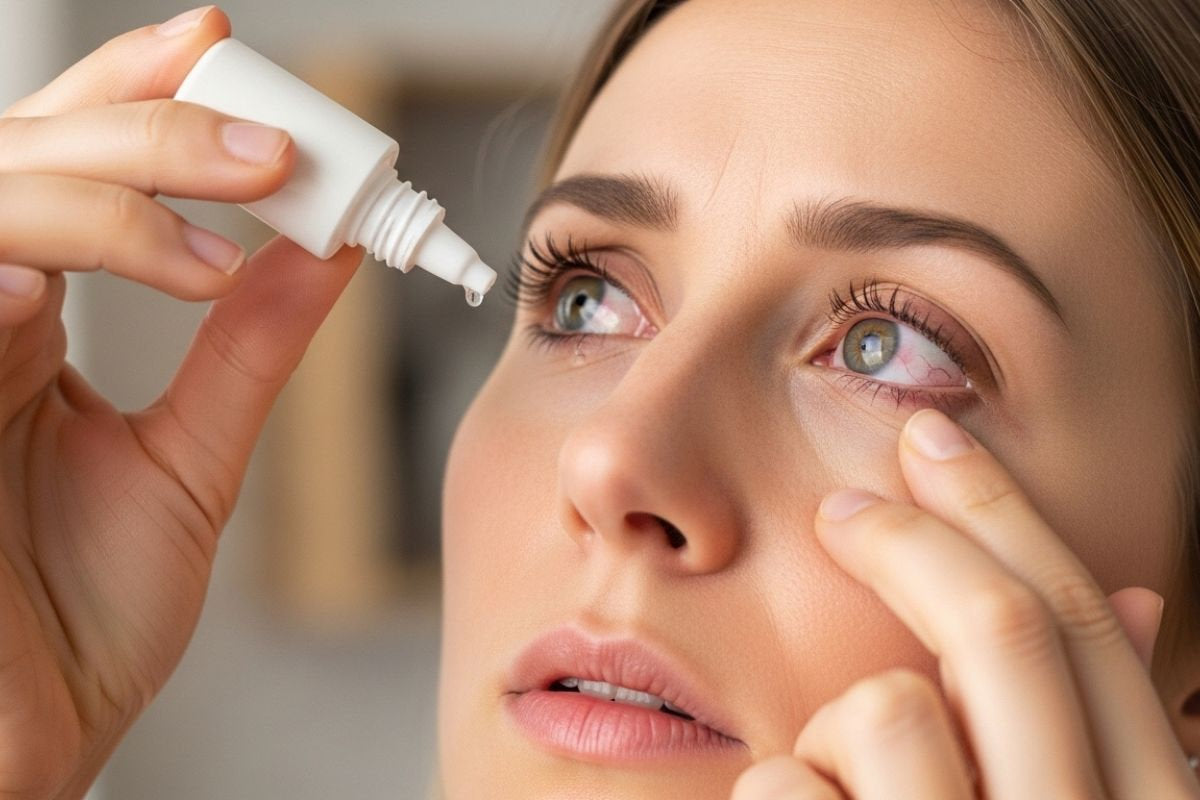
Dry eye disease (DED) is one of the most prevalent ocular disorders worldwide, affecting millions of individuals’ visual comfort and daily productivity. Patients frequently report burning, irritation, fluctuating vision, and light sensitivity. While these symptoms may appear superficial, they reflect a deeper disruption of the ocular surface rooted in tear film instability and chronic inflammation of the corneal and conjunctival tissues.
The burden of DED is growing. Extended screen use reduces blink frequency and accelerates tear evaporation, while environmental pollutants, contact lens wear, and aging populations compound the problem. Systemic conditions such as autoimmune disease and metabolic disorders further drive ocular surface inflammation. Conventional therapies such as artificial tears, lubricating gels, anti-inflammatory drops, and tear-stimulating medications can provide relief, but largely address symptoms rather than the underlying cellular dysfunction driving the disease. Research is increasingly shifting toward treatments that target the biological mechanisms behind tear film breakdown and tissue damage.
Methylene Blue has been used in medicine for over a hundred years, and recent research has revealed properties that make it surprisingly relevant to dry eye disease. The sections that follow explore the science behind these effects and what they could mean for the future of dry eye treatment.
Summary
New research suggests that Methylene Blue could be a breakthrough treatment for dry eye disease (DED) in 2026. Unlike conventional treatments that only relieve symptoms, Methylene Blue targets the root causes of DED, restoring ocular surface health at the cellular level. Acting as both an antioxidant and mitochondrial enhancer, it helps improve energy production, protect corneal nerves, and support tissue regeneration. With its century-long record of safe medical use and growing scientific attention, Methylene Blue is emerging as a promising therapy that may redefine how dry eye disease is treated, offering longer-lasting relief and restoration for dry eye syndrome.
Table of Contents
Does Methylene Blue Help Dry Eyes?
How to Remove Oxidative Stress From the Body?
Does Methylene Blue Fight Inflammation?
Does Methylene Blue Really Help Mitochondria?
Does Methylene Blue Help With Nerve Damage?
Does Methylene Blue Increase ATP?
Is Methylene Blue a Good Antioxidant?
Does Methylene Blue Help Eyesight?
What Is the Best Methylene Blue to Buy?
What Is Methylene Blue?
Methylene Blue is a synthetic compound that has occupied a unique place in medicine for more than a century. Unlike most dyes, Methylene Blue didn't simply stain cells, it interacted directly with biological systems, making it one of the earliest examples of a pharmacologically active dye in modern medicine. Recommended: Methylene Blue History: From Dye to Medicine | Impact Health
Its most established clinical use is treating Methemoglobinemia, a disorder in which hemoglobin loses its ability to transport oxygen. Methylene Blue acts as a redox agent, restoring hemoglobin to its functional form and rapidly reversing the condition. It is also used in diagnostic imaging, surgical guidance, and laboratory procedures requiring tissue visualization.
Renewed interest in Methylene Blue stems from discoveries of its role in cellular metabolism. It can function as an alternative electron carrier within the mitochondria, and bypass damaged segments of the electron transport chain (ETC) to help maintain energy production and reduce metabolic strain, supporting more efficient ATP generation even under conditions of cellular stress.
Equally significant is its antioxidant properties. Methylene Blue helps neutralize reactive oxygen species (ROS), the molecules that accumulate during metabolism and, in excess, drive inflammation and tissue degeneration. By improving mitochondrial efficiency and reducing oxidative damage, Methylene Blue addresses the two core drivers of cellular dysfunction.
Mechanism of Action
To understand Methylene Blue's therapeutic potential for dry eye disease, it helps to examine how it functions at the cellular level. The ocular surface tissues, cornea, conjunctiva, and associated glands depend on efficient cellular metabolism to maintain clarity, lubrication, and barrier function. When they are disrupted, inflammation and tissue damage follow.
Under healthy conditions, this system runs efficiently. Under stress, electrons leak from the chain and react with oxygen, producing reactive oxygen species (ROS) that accumulate and damage cellular structures, a state known as oxidative stress.
In ocular surface tissues, oxidative stress accelerates inflammation, impairs cell function, and destabilizes the tear film, perpetuating the cycle of dysfunction that defines dry eye disease.
Methylene Blue intervenes by acting as an alternative electron carrier. It can accept electrons, and transfer them directly to downstream components such as cytochrome c, effectively bypassing damaged segments of the electron transport chain.
The result is a dual effect: better energy availability for cellular repair and reduced oxidative injury. For corneal and conjunctival tissues constantly exposed to environmental stressors, Methylene Blue represents a meaningful therapeutic opportunity.
Oxidative Stress
Oxidative stress is increasingly recognized as a central driver of dry eye disease. While DED is often described in terms of tear deficiency and film instability, the underlying pathology runs deeper.
Under normal conditions, the tear film serves as the eye's primary defense against environmental exposure. Beyond lubrication, it contains antioxidants and anti-inflammatory molecules that maintain a stable ocular microenvironment. When tear production declines and composition becomes abnormal, this barrier breaks down, leaving epithelial cells exposed to irritants and allowing inflammatory pathways to activate.
In healthy tissue, antioxidant systems keep ROS in check. In DED, environmental stress, inflammation, and metabolic strain push ROS generation beyond the body's capacity to neutralize it, resulting in oxidative damage to the proteins, lipids, and membranes of ocular surface epithelial cells.
As this damage accumulates, a destructive cycle takes hold. Weakened epithelial integrity increases susceptibility to irritation, inflammatory signaling recruits immune cells that amplify tissue damage, and oxidative stress impairs the cells responsible for producing tear film components, further destabilizing the very barrier meant to protect against it.
By improving mitochondrial efficiency, Methylene Blue reduces the electron leakage that generates ROS, while its redox activity allows it to neutralize oxidative molecules within the cell. Together, these properties position Methylene Blue as a candidate capable of breaking the oxidative cycle at the root of ocular surface dysfunction.
Anti-Inflammatory Effects
Chronic inflammation is a defining feature of dry eye disease and a major driver of its progression. What often begins as tear film instability and environmental irritation evolves into a persistent, self-sustaining inflammatory cycle that damages tissue and amplifies symptoms.
When a destabilized tear film exposes corneal and conjunctival cells to increased stress, epithelial cells respond by releasing cytokines and chemokines that recruit immune cells to the ocular surface. While protective in intent, this response can become excessive.
Inflammation disrupts tear-producing glands, further destabilizing the tear film and triggering more inflammatory signaling, driving the redness, burning, irritation, and fluctuating vision patients experience.
By improving mitochondrial efficiency and limiting ROS accumulation, Methylene Blue can reduce the oxidative signaling that triggers inflammatory pathways in the first place. Because oxidative stress and inflammation are tightly linked, addressing one influences the other.
A calmer inflammatory environment allows epithelial cells to maintain structural integrity and carry out normal repair, restoring a healthier ocular surface microenvironment.
In the broader context of dry eye treatment, this combination of upstream anti-inflammatory and metabolic effects can complement existing therapies that target inflammation more directly.
Cellular Regenerative Properties
Beyond its antioxidant and anti-inflammatory effects, Methylene Blue has drawn attention for neuroprotective and regenerative properties relevant to dry eye disease. The cornea contains one of the highest densities of sensory nerve endings in the human body, a network that detects dryness, triggers reflex blinking, and stimulates tear production.
As nerve fibers degenerate and lose sensitivity, tear secretion and blink reflexes weaken, further destabilizing the tear film and exposing tissues to additional damage. Patients may experience persistent discomfort, abnormal sensations, and reduced sensitivity.
Methylene Blue can help protect this neural architecture by supporting the mitochondrial energy supply that neurons depend on. Sensory nerve endings require a continuous ATP supply to maintain electrical signaling and structural integrity. When mitochondrial efficiency declines, nerve cells become vulnerable to dysfunction and degeneration. By stabilizing electron transport and improving energy output, Methylene Blue can help preserve the metabolic conditions nerve fibers need in order to survive. Epithelial and stromal cells must continuously renew to replace those lost to environmental damage. Efficient energy production enables cells to synthesize structural proteins, repair membranes, and restore damaged tissue.
Most existing therapies manage symptoms without addressing underlying cellular dysfunction. A compound capable of protecting corneal nerves and supporting epithelial regeneration could influence dry eye disease at a more fundamental, biological level.
Comparison to Current Treatment Options
Artificial tears and lubricating drops are the most widely used option when it comes to treating DED. They are effective for mild symptoms, but don't correct the underlying biology driving tear film dysfunction.
Prescription anti-inflammatory medications such as cyclosporine and lifitegrast, reduce immune signaling, gradually allowing epithelial tissues and tear-producing glands to function more normally. With that being said, benefits tend to develop slowly, and these agents primarily address one dimension of a multifactorial disease.
Methylene Blue represents a different therapeutic perspective entirely. Rather than targeting tear volume or inflammatory signaling in isolation, Methylene Blue operates at the cellular level, supporting mitochondrial energy production and regulating oxidative stress upstream of the many pathways involved in dry eye pathology.
Tear instability, inflammation, oxidative stress, nerve dysfunction, and epithelial damage interact in reinforcing cycles that single-pathway treatments may not fully interrupt. A compound capable of influencing several of these mechanisms simultaneously offers a more comprehensive approach, one that supports the underlying health of ocular surface cells rather than managing symptoms alone.
{Comparison Chart}
Clinical Evidence
A growing body of research provides a compelling biological foundation for further investigation.
The most consistently observed finding across laboratory studies is Methylene Blue's ability to stabilize mitochondrial electron transport and improve cellular respiration. By facilitating electron flow, it simultaneously maintains ATP production and reduces ROS formation, preserving energy output while limiting oxidative stress.
Protective effects against oxidative damage have also been documented in neural and cardiovascular tissue models, where Methylene Blue reduced oxidative injury to cellular membranes and proteins.
In experimental models of neurological and metabolic disorders, improved mitochondrial performance has correlated with greater cellular resilience and reduced inflammatory signaling. Cells maintaining stable energy production are better equipped to regulate immune responses and repair structural damage.
The relevance to ocular disease is becoming increasingly clear. Corneal epithelial cells and associated nerve structures are highly sensitive to metabolic imbalance and oxidative injury.
Safety and Dosing
Methylene blue has been used in medicine for over a century, and its safety profile is well established at appropriate doses. Its history across applications from Methemoglobinemia treatment to surgical dye provides extensive evidence of human tolerability. That said, like any bioactive compound, its therapeutic potential is closely tied to dosage and delivery method.
A critical consideration is Methylene Blue's hormetic behavior. At low concentrations, it enhances mitochondrial function and antioxidant activity, but at higher doses, it can become cytotoxic. This dose-dependent duality makes precise formulation essential.
At systemic doses, Methylene Blue can produce mild side effects such as nausea, headaches, and transient discoloration of urine and mucous membranes. In rare cases, it can interact with medications affecting serotonin signaling, raising the risk of serious complications in susceptible patients.
Its long medical history is reassuring, but responsible development demands mindful use.
You Might Also Like: Methylene Blue: History, Uses, and Risks
Future Research and Developments
The emergence of mitochondria-targeted therapies represent a promising frontier in ophthalmology. Traditionally, dry eye treatments have focused on symptomatic relief without addressing the underlying cellular dysfunction driving the disease. Growing evidence now positions metabolic health and mitochondrial integrity as central targets for next-generation treatment strategies.
Combination approaches that pair Methylene Blue with existing anti-inflammatory and tear-stimulating therapies could address oxidative stress, inflammation, and tear film instability. Advanced delivery systems such as nanotechnology-based carriers may further improve bioavailability and enable controlled, prolonged release on the ocular surface.
Personalized medicine may also shape how these therapies are applied. By assessing individual markers of oxidative stress and mitochondrial dysfunction, clinicians can tailor Methylene Blue-based treatment to each patient's metabolic profile, optimizing outcomes while minimizing adverse effects.
Pharmaceutical development is already trending in this direction, with growing investment in multifactorial dry eye therapies signaling both scientific momentum and market demand.
Methylene Blue's combination of mitochondrial support, antioxidant activity, and neuroprotective potential positions it well within this evolving landscape. With continued investigation, it can help shift dry eye treatment from temporary symptom management toward durable restoration of ocular surface health.
Conclusion
Dry eye disease remains one of ophthalmology's most prevalent and difficult-to-manage conditions. Conventional therapies provide symptomatic relief, but frequently fail to address the underlying cellular and metabolic dysfunction that perpetuates the disorder; a gap that continues to drive the search for more fundamentally targeted approaches.
Methylene Blue’s ability to support mitochondrial energy production, reduce oxidative stress and moderate inflammatory signaling directly target the biological mechanisms driving ocular surface damage. Rather than simply masking symptoms, Methylene Blue stabilizes and restores the functional health of corneal and conjunctival tissues. Its century-long history of medical use adds a foundation of established safety to an otherwise emerging set of therapeutic applications.
Methylene Blue's mechanisms align closely with a broader shift toward mitochondrial medicine and oxidative stress-targeted therapy, reflecting a growing recognition that dry eye disease is fundamentally a disorder of cellular energy imbalance.
Looking ahead, Methylene Blue could become an integral part of next-generation treatment regimens that pair cellular-level intervention with traditional therapies, allowing for better relief, improved quality of life, and a meaningful shift in how dry eye disease is understood and managed. As research continues, Methylene Blue is well positioned to help shape the future of ocular surface therapy.
LIV — Life. Integrity. Vitality.


