

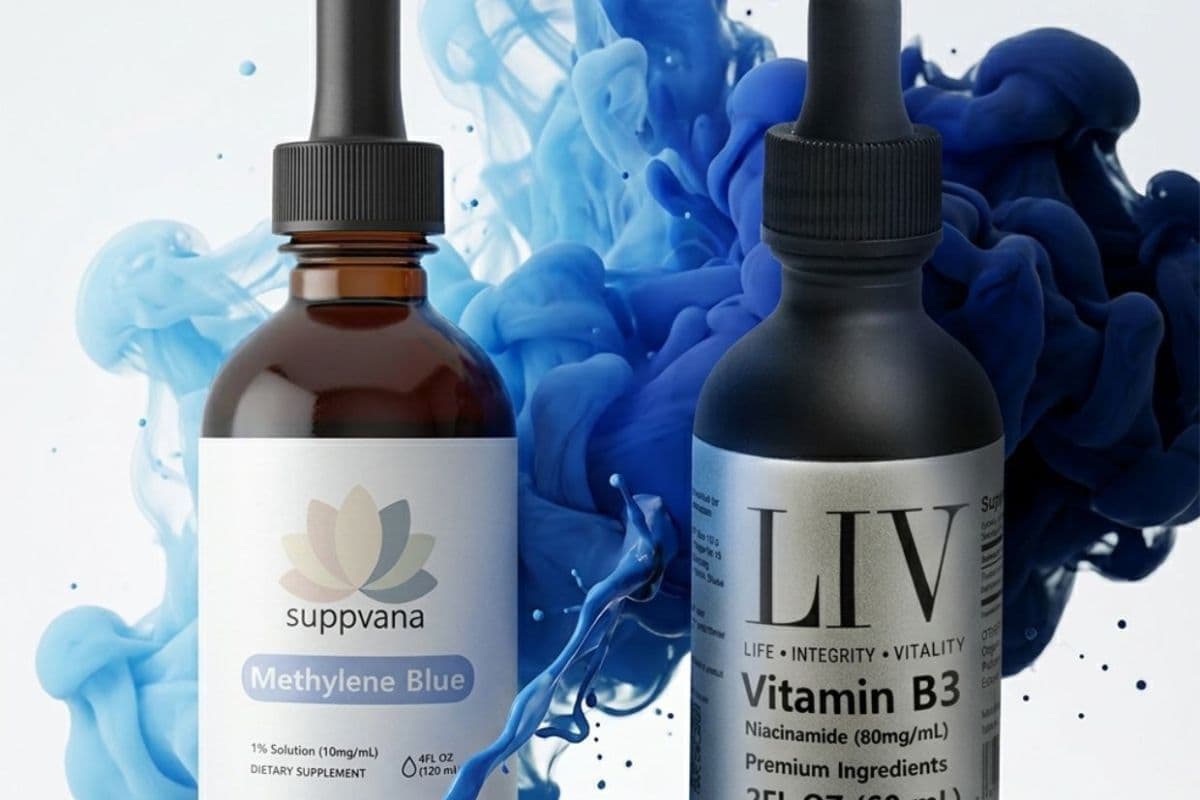
LIV Supplements © CC BY-SA 4.0
Wellness practices are rapidly expanding beyond traditional consultations. Patients today are looking for integrated solutions that support long-term health, energy, recovery, immunity, cognition, and preventive care. While longevity-focused practices are increasingly incorporating supplementation into their patient protocols and retail offerings, growing demand has created a significant challenge.
The supplement industry is saturated with inconsistent manufacturers and unreliable sourcing. Choosing the wrong supplier can damage patient trust, reduce treatment outcomes, create compliance risks, and negatively impact your practice's reputation.
Finding the right wholesale supplements partner requires careful evaluation across several areas that influence quality, safety, and scalability. Before investing in wholesale supplements, there are seven critical factors every healthcare and wellness provider should understand.
Summary
Choosing the right wholesale provider is an important decision for health and wellness practices aiming to deliver safe and effective patient outcomes. As demand for integrative and longevity-focused care grows, providers must navigate an increasingly crowded supplement market where quality, transparency, and reliability vary. This article outlines the essential factors to evaluate when sourcing wholesale supplements, including third-party testing, supplier reputation, pricing structures, compliance, product range, and operational logistics. By carefully vetting suppliers across these areas, practices can protect patient trust, improve treatment outcomes, and build a sustainable, high-performing supplement program that supports long-term growth.
Table of Contents
Wholesale Supplements for Resale
Natural Supplements for Digestion and Bloating
How to Vet Wholesale Suppliers
The Best Supplements for Weight Loss / The Best Brain Supplements for Adults
Shipping Supplements Internationally
Wholesale Vitamins for Practitioners
Third-Party Testing
Quality should always be at the forefront…
Patients trust products that meet quality standards. When supplements fail to deliver consistent results and raise safety concerns, that trust erodes.
GMP-compliant facilities follow strict procedures ensuring consistency, cleanliness, ingredient accuracy, and contamination prevention. Without these standards, there's little assurance that products contain the ingredients and dosages listed on the label.
Third-party testing can add another layer of verification. Independent organizations can test supplements for purity, potency, and ingredients. Some products contain significantly lower concentrations than advertised, while others may include contaminants such as heavy metals, residual solvents, or undeclared compounds, all of which can be ruled out through third-party testing.
For healthcare practices, poor-quality supplements create risks that extend far beyond refunds, as repeated complaints about effectiveness and side effects can erode patient confidence.
This is especially important when sourcing wholesale supplements. A supplier that prioritizes quality protects both patient outcomes and practice credibility. Investing in thoroughly tested products can lead to stronger retention, better reorder rates, and improved patient trust.
Transparency & Labeling
Transparency is a defining factor in separating premium supplements from commodity products. Patients today are becoming increasingly educated about what they consume. They want to know what ingredients are included, where they come from, what they do, and whether harmful additives are present.
One of the biggest concerns in the supplement industry is the continued use of ‘proprietary blends’ – formulations that list ingredients without disclosing exact dosages. While marketed as exclusive formulas, proprietary blends prevent practitioners from evaluating whether clinically safe and effective dosages are being used. Without transparency, it's difficult to align formulations with evidence-based recommendations.
Full disclosure of both active and inactive ingredients is essential. This includes fillers, binders, preservatives, artificial colors, sweeteners, and stabilizers. Hidden additives can create complications for patients managing allergies, autoimmune conditions, digestive sensitivities, and inflammatory issues.
When evaluating where to buy wholesale supplements, ingredient disclosure is never optional. Practices that prioritize transparency will earn stronger patient trust.
Supplier Reputation and Reliability
Clinics depend on stable inventory, responsive communication, accurate fulfillment, and dependable shipping timelines. A supplier that struggles operationally creates frustration for both practitioners and patients.
Supplier reputation can (and should) be evaluated through multiple avenues – reviews, industry standing, fulfillment history, and long-term operational consistency reveal far more than marketing materials alone. Established wholesalers with a strong track record generally present lower risk than suppliers focused primarily on aggressive pricing and rapid growth.
SEE WHY THOUSANDS ARE CHOOSING LIV →
I want to thank you again for you wonderful help in support over the past few months!! Super grateful to YOU!!!! 🙏🙏🤩🙌🏻
- Brianna Meighan | CEO @ Forte Naturals
Thank you for your continued support and responsiveness.
- Dr. David Brownstein | Founder @ The Center for Holistic Medicine
Customer service is especially important for healthcare practices managing recurring patient demand. Questions about sourcing, verification, expiration dates, and shipping delays require timely responses. If distributors become difficult to reach after the initial purchase, operational issues can escalate quickly. If a specific product becomes unavailable or formulations change unexpectedly, continuity of care suffers. Reliable supplement distributors maintain stronger inventory systems and communicate disruptions proactively.
From recalls, contamination issues, inaccurate labeling, and manufacturing violations, the supplement industry has experienced numerous manufacturing controversies throughout the years, affecting not only the provider, but the practice. Thorough vetting is essential for establishing a wholesale partnership, improving patient trust, outcomes, and reliability.
Minimum Order Quantity (MOQ)
Wholesale pricing varies significantly between suppliers. Some distributors offer aggressive discounts tied to large-volume commitments, while others provide flexible models designed for smaller clinics and growing wellness practices. Understanding these structures is essential for both profit margins and cash flow.
Minimum order quantities (MOQs) are another important consideration. Large MOQs may reduce per-unit costs, but they increase financial exposure when products move slowly or patient demand increases unexpectedly.
Practices should calculate projected per-unit profitability before committing to a wholesale partnership. The evaluation should account for shipping expenses, storage requirements, expiration timelines, reorder frequency, and anticipated turnover. A supplement that looks profitable at first glance may become less attractive once operational costs are factored in.
Balancing affordability with quality is the most sustainable approach. Patients are increasingly willing to invest in premium products when formulations demonstrate transparency and clinical credibility. Lower-quality supplements can offer higher short-term margins, but they often produce weaker reorder rates and lower long-term retention.
Scalability should also factor into pricing decisions. The best partners support gradual growth without forcing overwhelming commitments.
Compliance and Certifications
Regulatory compliance is one of the most overlooked yet critically important aspects of supplement sourcing. Selling noncompliant, poorly documented products can expose healthcare practices to liability concerns, regulatory scrutiny, and reputational damage that extends well beyond supplement sales alone.
Certifications provide important insight into manufacturing quality and ingredient standards. Depending on patient demographics and clinical focus, practices may prioritize organic certification, non-GMO verification, allergen-free manufacturing, vegan formulations, gluten-free compliance, GMP certification, or pharmaceutical-grade sourcing. These certifications reassure patients while supporting providers working with specialized populations.
Supplement manufacturers must follow strict protocols and guidelines regarding claims and disease-treatment language. Suppliers that rely on exaggerated medical claims or unsupported promises create unnecessary legal and reputational risk for the practices carrying their products.
This is particularly relevant for functional medicine, longevity, integrative health, and performance-focused practices where patients may already be managing complex conditions and combining multiple therapies. Providers need confidence that the supplements contain exactly what the label promises.
As supplement regulations continue evolving, compliance will only grow in importance.
Product Range
Gut health, immune resilience, cognitive support, energy optimization, sleep quality, stress management, and metabolic health remain among the fastest-growing categories in healthcare and wellness.
Limited product selection can unintentionally force clinics to manage multiple vendors, increasing operational complexity, shipping costs, and inventory coordination issues. A clinic that initially carries a small number of products may eventually expand into comprehensive wellness protocols requiring broader supplementation support. Working with a supplier capable of growing alongside the business reduces fragmentation and operational inefficiency over time.
In 2026, patients are increasingly seeking condition-specific supplementation tailored toward targeted wellness goals. Gut health, immune resilience, cognitive support, energy optimization, sleep quality, stress management, and metabolic health remain among the fastest-growing categories in healthcare and wellness. Suppliers capable of supporting these categories allow practices to expand offerings without constantly restructuring vendor relationships.
There are also strategic advantages to consolidating purchasing through fewer vendors such as simpler ordering, predictable fulfillment, and improved inventory management. The ideal wholesale supplements partner balances product breadth, formulation integrity, and operational reliability simultaneously.
Shipping, Storage, and Return Policies
Operational logistics play a major role in determining whether a supplement program runs efficiently. Shipping speed and return policies can indirectly influence patient satisfaction and financial performance.
Reliable shipping is increasingly important as patients expect consistent product availability and fast fulfillment. Delays can interrupt supplementation protocols, reduce adherence, and weaken patient confidence in both the product and the practice. Providers should evaluate how quickly wholesalers process orders, communicate shortages, and maintain inventory visibility.
Storage requirements matter equally, particularly for temperature-sensitive formulations, probiotics, liquids, and specialty compounds. Certain ingredients degrade under improper conditions, reducing potency before products reach patients. Practices should understand recommended storage environments, shelf-life expectations, and expiration management procedures before purchasing large quantities.
Return policies reveal how suppliers handle accountability. Flexible policies for damaged products, shipping errors, and fulfillment issues reduce financial risk. Suppliers unwilling to address operational issues transparently create larger logistical problems over time. Practices planning long-term expansion should confirm that suppliers have the operational infrastructure to support product demand.
Conclusion
Supplement sourcing extends far beyond purchasing inventory. Operational reliability, inventory protection, and fulfillment consistency directly and indirectly affect the patient experience and long-term sustainability of a wholesale wellness program.
Choosing the right partner requires balancing quality, transparency, scalability, and reliability. High-quality supplementation strengthens patient trust, supports better outcomes, and positions clinics for sustainable growth in an increasingly competitive wellness market.
For practitioners evaluating supplement distributors, thorough vetting is essential before making purchasing decisions. The right wholesale partner supports not only product availability, but the credibility and long-term reputation of the practice itself.
To learn more about wholesale supplements and what we provide, click here! →
Topics Discussed: Wholesale vitamins and supplements, wholesale supplements distributors usa, bulk supplements wholesale, where to buy wholesale supplements
Related Article(s): Wholesale Supplements: Where to Buy Wholesale Liquid Vitamins
Frequently Asked Questions
- Are probiotics safe?
- What is GMP certified?
- What is regulatory compliance in healthcare?
- How do you manage regulatory compliance?
- What is MOQ in manufacturing?
- What are inactive ingredients?
- Can inactive ingredients cause side effects?
- What are proprietary blends in supplements?
- Are preservatives bad for you?
- What not to take for inflammatory issues?
- What are additives?
- How to improve digestion?
- What to consider when selling supplements online?
- Where to buy wholesale supplements?
- What does organic certification mean?
Are probiotics safe?
Probiotics are temperature-sensitive and can degrade under improper conditions, resulting in a decrease in potency.
What is GMP certified?
GMP-compliant facilities follow strict procedures ensuring consistency, cleanliness, ingredient accuracy, and contamination prevention. Without these standards, there is little assurance that products contain the ingredients and dosages listed on the label.
What is regulatory compliance in healthcare?
Regulatory compliance ensures supplements meet legal and safety standards to avoid exposing practices to liability concerns, regulatory scrutiny, and reputational damage. Certifications such as organic, non-GMO, and GMP certification provide insight into manufacturing quality and ingredient standards.
How do you manage regulatory compliance?
Regulatory compliance can be managed by prioritizing suppliers with relevant certifications such as GMP, organic, and non-GMO. Avoid suppliers that rely on exaggerated medical claims and unsupported promises, ensuring products contain exactly what is promised through full ingredient disclosure and third-party testing.
What is MOQ in manufacturing?
MOQ stands for minimum order quantity.
What are inactive ingredients?
Inactive ingredients include fillers, binders, preservatives, artificial colors, sweeteners, and stabilizers. Full disclosure of both active and inactive ingredients is essential for transparency.
Can inactive ingredients cause side effects?
Inactive ingredients can create complications for patients managing allergies, autoimmune conditions, digestive sensitivities, and inflammatory issues.
What are proprietary blends in supplements?
Proprietary blends prevent practitioners from evaluating whether clinically safe and effective dosages are being used.
Are preservatives bad for you?
Preservatives can create complications for patients struggling with issues such as allergies and digestive sensitivities.
What not to take for inflammatory issues?
Individuals with inflammatory issues should avoid products containing hidden additives such as fillers, binders, preservatives, artificial colors, sweeteners, and stabilizers.
What are additives?
Additives refer to ingredients such as fillers, preservatives, artificial colors, and sweeteners.
How to improve digestion?
Taking supplementation that supports gut health may improve digestion.
What to consider when selling supplements online?
When offering supplements to patients, you should prioritize third-party testing, full label transparency, supplier reputation and reliability, minimum order quantities, and regulatory compliance.
Where to buy wholesale supplements?
LIV Supplements (borntoliv.com) offers transparent labeling, low minimum order quantities (MOQ), third-party testing, reliable support, and a wide product selection, including Methylene Blue and Vitamin B1.
What does organic certification mean?
Organic certification can provide patients with reassurance and support specialized populations.


