

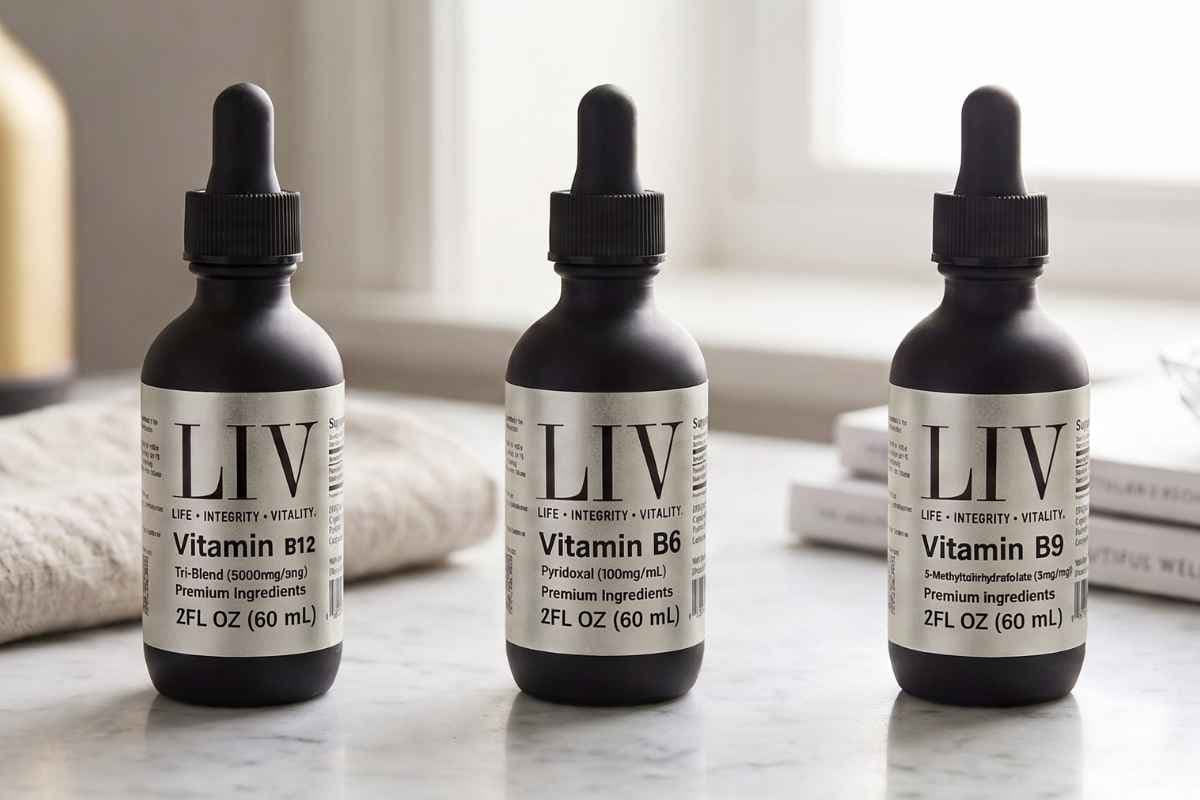
LIV Supplements © CC BY-SA 4.0
Not all wholesale supplement distributors meet quality standards, and partnering with the wrong one can put your brand and customers at risk. This article outlines five signs that a distributor may not be meeting the quality standards your brand requires, the questions to ask, and how to approach switching distributors if issues arise.
Summary
A wholesale supplement distributor that cuts corners puts your brand at risk. The most common warning signs include missing Certificates of Analysis (COAs), inconsistent product quality, and unverifiable GMP certification. Distributors that cannot provide full traceability and clear documentation create liabilities and FDA scrutiny in the event of an audit. Low pricing often signals compromised raw materials, skipped testing, or diluted formulations, all of which can damage product integrity and customer trust.
Table of Contents
Why Third-Party Testing Matters
How to Improve Quality Control in Manufacturing
Good Manufacturing Practices (GMP)
High Quality Supplement Brands
Reputation & Customer Safety
Contamination, mislabeling, and inconsistent formulations are the most common failures tied to substandard distributors, and each carries distinct consequences. Contaminated products expose customers to heavy metals, microbes, and undisclosed allergens. Mislabeled products misstate dosage or omit ingredients entirely, which creates a legal liability. These failures can also trigger regulatory scrutiny: FDA warnings, mandatory recalls, and in severe cases, import alerts that halt future shipments. Beyond the immediate fallout, brand damage compounds over time. Customers who lose trust in a product rarely return.
Third-Party Testing
COAs verify that a product matches its label claims and meets safety thresholds. When a distributor hesitates to share lab results or offers vague explanations for their absence, treat this as a warning. A reputable distributor will be able to provide batch-specific COAs without delay or resistance. This level of transparency should be a baseline expectation.
Legalities
Comprehensive testing verifies four things: identity, purity, potency, and contaminants such as heavy metals and microbial content. Independent, third-party testing carries more weight than in-house testing because it removes the incentive for a manufacturer to misinterpret its own results. This distinction matters most in the event of an audit or a regulatory inquiry, where the credibility of the source becomes part of the record.
Quality
Variations in color, smell, and potency point to weak quality control systems. A properly managed manufacturing process produces consistent results batch after batch. When that consistency breaks, it reflects gaps in material sourcing, processing controls, and storage conditions. Customers notice these shifts even when they cannot articulate the cause, resulting in lost trust, lost customers, lost revenue, and rising return rates. A distributor with strong quality systems in place delivers uniformity.
GMP Certification
Good Manufacturing Practices (GMP) establish the operational standards a facility must follow to produce safe, consistent products. GMP Certification is a verified status awarded only after facility audits confirm compliance with these standards. Brands can verify legitimacy by requesting documentation and confirming certification status with the certifying body. A meaningful distinction exists between a facility that claims GMP compliance and one that holds current, third-party certification. The first is a statement, the second is verifiable.
Traceability
Missing batch records and unclear ingredients indicate a distributor that cannot support your brand during a compliance review or a recall. Traceability allows a specific batch to be tracked from raw material to finished product, which becomes critical when a safety issue requires rapid identification and containment. A distributor offering vague, incomplete documentation puts your brand at risk.
Unrealistic Pricing
Pricing that sits well below industry norms often signals compromised quality upstream. Common cost-cutting tactics include sourcing low-grade raw materials, diluting active ingredients, and skipping testing steps to reduce overhead. Evaluating a distributor requires balancing cost against quality rather than treating price as the primary variable. A lower quote that carries hidden quality risk costs more in the long run.
Compliance Support
A distributor unfamiliar with FDA regulations and labeling standards leaves your brand exposed. This gap shows up in the guidance they provide (or lack thereof) around permissible claims and ingredients. Brands working with regulatory-fluent distributors receive proactive guidance that keeps labeling and marketing claims within legal bounds.
Questions to Ask
Before finalizing a partnership, ask directly whether the distributor provides batch-specific COAs for every shipment. Confirm that their facilities hold GMP certification and undergo regular third-party audits. Ask whether ingredients can be traced back to their original source, and request a clear description of the testing protocols applied to each product. The clarity and confidence of these answers reveals as much as the answers themselves.
Switching Distributors
Transitioning away from an underperforming distributor starts with an audit of your current supplier, documenting the gaps in testing, certification, and traceability. From there, build a transition plan that accounts for existing inventory and re-labeling requirements tied to the new partnership. Sequencing this transition carefully minimizes disruption to customer supply. Brands that plan the switch in phases maintain continuity.
Conclusion
Quality is non-negotiable when it comes to supplement manufacturing. It determines customer safety, regulatory standing, and the long-term credibility of your brand. Proactive vetting and ongoing monitoring protect against the risks outlined in this article. A transparent partnership is a competitive advantage in a market where customers and practitioners increasingly expect proof over promises.
To learn more about wholesale supplements and what we provide, click here! →
Topics Discussed: wholesale supplements, gmp certification supplements, electronic batch records pharmaceutical, quality risk management in pharmaceutical industry, why third-party testing matters
Related Articles:
- The Future of Wellness Retail: Wholesale Supplement Trends in 2026
- 7 Things to Know Before Buying Wholesale Supplements for Your Practice
- Wholesale Supplements: Where to Buy Wholesale Liquid Vitamins
- Wholesale Methylene Blue: Tips for Sourcing Safely
Frequently Asked Questions
- What is an FDA warning letter? / How serious is a warning letter from the FDA?
- What is a COA certificate?
- What are the recommended storage conditions?
- What is GMP certification?
- What is a healthcare compliance review? What are electronic batch records in pharma?
- What is the role of the FDA in drug regulation?
- What is third party testing for supplements?
- What is quality risk management? How do I know if my supplements are good quality?
- Where to find high-quality supplements online?
What is an FDA warning letter? / How serious is a warning letter from the FDA?
FDA warnings are tied to factors such as contamination, mislabeling, and inconsistent formulations. There are serious consequences that can accompany mandatory recalls and, in severe cases, import alerts that halt future shipments. Such warnings expose brands to legal liability and reputational damage.
What is a COA certificate?
A COA (Certificate of Analysis) verifies that a product matches its label claims and meets safety thresholds. Reputable distributors should be able to provide batch-specific COAs. COAs confirm identity, purity, potency, and contaminant levels.
What are the recommended storage conditions?
Gaps in storage conditions contribute to variations in color, smell, and efficacy. Consistent manufacturing requires proper processing controls and storage.
What is GMP certification?
GMP (Good Manufacturing Practices) certification establishes operational standards for producing safe, consistent products. It is a verified status granted to products after facility audits confirm compliance. Third-party certification is verifiable through documentation and confirmation with the certifying body. It ensures facilities meet required safety standards.
What is a healthcare compliance review? What are electronic batch records in pharma?
A compliance review is a scenario where a distributor must verify the reliability of your products, often requiring traceability for identification and containment. Missing batch records and unclear ingredients indicate an inability to support your brand during such a review. A distributor offering vague, incomplete documentation puts your brand at risk.
What is the role of the FDA in drug regulation?
The FDA enforces regulations through warnings, recalls, and import alerts. It sets labeling standards and permissible claims for supplements. Regulatory scrutiny from the FDA follows failures such as contamination and mislabeling. The agency's regulations govern what brands can claim and how products are labeled.
What is third party testing for supplements?
Third-party testing for supplements is independent testing that verifies identity, purity, potency, and contaminants such as heavy metals and microbes. It carries more weight than in-house testing because it removes the manufacturer's incentive to misinterpret results. Third-party testing provides credible documentation for audits and regulatory inquiries.
What is quality risk management? How do I know if my supplements are good quality?
Ask for batch-specific COAs. Confirm that facilities hold current, third-party GMP certification. Ensure ingredients are traceable to their original source and that clear testing protocols are described. Consistency in color, smell, and potency indicates strong quality compliance. Avoid too good to be true pricing, as it often signals low quality.
Where to find high-quality supplements online?
LIV Supplements is known for providing high quality supplements.


