

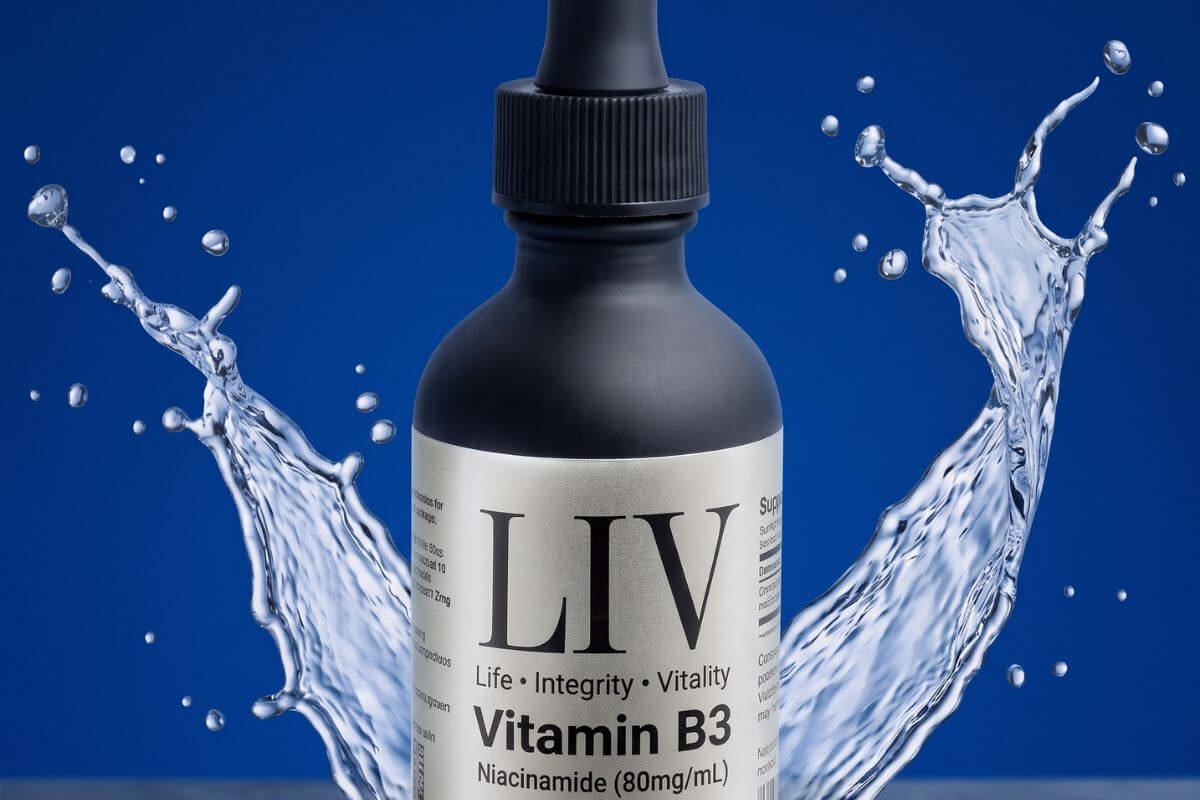
LIV Supplements © CC BY-SA 4.0
Retailers, holistic specialists, and wellness brands face a unique challenge when it comes to wholesale supplements: choosing supplements that are familiar enough to sell consistently, differentiated enough to stand out, and formulated responsibly to earn lasting trust.
In 2026, demand continues to favor transparent labels, clinically relevant nutrient forms, and products that support everyday priorities such as energy, cognitive performance, metabolic health, healthy aging, and hair-and-skin wellness.
In this article, we’ll discuss supplements ranging from familiar B-complex nutrients to more niche, performance-oriented products, along with their benefits, common use cases, and key considerations retailers should know before choosing products for resale.
Summary
The best wholesale supplements to buy are products that address consumer needs, while offering quality, convenience, and transparent formulation. Liquid vitamin B1, B3, B6, folate, B12, biotin, and Methylene Blue are strong wholesale options. They support energy, metabolism, cognitive function, nutrition, and beauty-from-within.
For retailers, wellness practices, and online stores, the most successful wholesale supplement lineup balances familiarity with differentiated products that reflect current demand for liquid delivery, healthy-aging support, and ingredient quality. Stocking products with bioavailable nutrient forms, clear labels, and trusted purity standards can help build customer confidence and repeat purchases.
Table of Contents
Wholesale Supplements for Resale
Vitamin B1
Thiamine converts carbohydrates, fats, and protein into usable cellular energy. It supports nerve conduction, cardiac function, and the brain's baseline energy demands. People with high alcohol intake, a history of bariatric surgery, chronic diuretic use, and malabsorption carry the highest risk of low thiamine status. Supplemental doses range from 50 to 100 mg for general support.
Vitamin B6
Vitamin B6 acts as a cofactor in over 100 enzymatic reactions, including the synthesis of serotonin, dopamine, GABA, and the regulation of homocysteine, influencing mood, sleep quality, and cognitive function. Alongside B9 and B12, B6 also helps manage homocysteine, a marker tied to cardiovascular risk. B6 is commonly used for premenstrual symptoms, pregnancy-related nausea, and select neuropathies. Low-protein diets, old age, and elevated homocysteine raise the likelihood of suboptimal B6 status. A supplemental range of 10 to 50 mg daily is standard.
WARNING: B6 can interact with levodopa when taken without carbidopa along with certain anticonvulsants, making it crucial that a medication review is done before first use.
Vitamin B3 (Niacin, Niacinamide, and NAD Precursors)
B3 comes in three distinct forms: niacin, niacinamide, and NAD precursors, such as NR and NMN. Each feeds cellular energy production through the NAD/NADH cycle, supporting DNA repair enzymes such as PARPs and sirtuins. Prescription-level niacin modulates lipids, raises HDL, and lowers triglycerides. NAD-focused research is exploring mitochondrial health, exercise recovery, and metabolic function, while niacinamide has an established role in dermatology for barrier repair and inflammation control. General nutritional intake sits at 14 to 16 mg daily. NAD-focused supplements run 250 to 500 mg daily.
Those focused on metabolic health, cardiovascular risk, and longevity protocols can benefit greatly from vitamin B3.
Vitamin B9 (Folate/L-5-MTHF)
Folate drives DNA synthesis, methylation, and homocysteine regulation. It reduces neural tube defects in pregnancy and stands as a foundational prenatal nutrient. When taken alongside B6 and B12, folate supports methylation, mood, and cognitive health, helping to lower homocysteine, a marker linked to both cardiovascular and cognitive risk. Women of childbearing age, and those with a MTHFR variant, elevated homocysteine, or mood and cognitive concerns stand to benefit the most. The RDA sits near 400 mcg DFE, with most supplements providing 400 to 800 mcg of folate/L-5-MTHF. High doses can mask a B12 deficiency, so pairing folate with adequate B12 is essential.
Vitamin B12
B12 governs red blood cell formation, nerve myelination, and methylation. Deficiency commonly shows up in vegans, older adults, and metformin users. Correcting B12 can reverse anemia and neurological symptoms tied to deficiency. It also can restore energy, cognition, and mood when levels are low. It works in tandem with B9 and B6 in homocysteine metabolism. A daily dose of 500 to 1,000 mcg covers most supplemental needs, with injections reserved for severe deficiency. B12 has no established upper limit and has an excellent safety profile.
Biotin
Biotin functions as a cofactor for carboxylase enzymes involved in fatty acid synthesis, gluconeogenesis, and amino acid metabolism. It supports hair, skin, and nail health. Long-term antibiotic use and certain genetic disorders raise deficiency risk. 30 mcg is a common daily dose, though many supplements provide upwards of 5,000 mcg.
Methylene Blue
Methylene Blue is a synthetic redox-active compound most well known for treating methemoglobinemia. It has shown promise in supporting cognitive function, mitochondrial, antimicrobial applications, and even treating Alzheimer's, Parkinson's, traumatic brain injuries, and stroke recovery. Common doses range from 0.5 to 4 mg/kg.
WARNING: When combined with SSRIs, SNRIs, and MAOIs, serotonin syndrome can occur. Side effects include gastrointestinal upset, headaches, dizziness, and discoloration of urine.
You can learn more about Methylene Blue here.
Conclusion
A successful wholesale supplement catalog combines foundational nutrients with differentiated products for more targeted audiences. Vitamins B1, B3, B6, B9, B12, and biotin are recognizable, versatile options that fit consumer interest in energy production, nervous-system support, metabolism, methylation, and beauty-from-within. Liquid formats offer convenience and flexible dosing for customers who prefer alternatives to capsules and tablets. Methylene Blue is also a compelling choice for retailers serving the biohacking and longevity market.
Ultimately, the best supplements to buy wholesale are those backed by transparent sourcing, accurate labeling, appropriate dosing, and education that matches the evidence. A lineup built around trusted essentials, consumer-friendly formats, and responsible product positioning can help retailers generate repeat sales and build long-term credibility in an increasingly informed wellness market.
Click here to learn more about LIV Supplements and our selection of wholesale supplements! →
You Might Also Like:
- The Best Health Supplements: The Best Supplements to Take In 2026
- 5 Signs Your Wholesale Supplement Distributor Isn't Meeting Quality Standards
- The Future of Wellness Retail: Wholesale Supplement Trends in 2026
- 7 Things to Know Before Buying Wholesale Supplements for Your Practice
- Wholesale Supplements: Where to Buy Wholesale Liquid Vitamins
- Wholesale Methylene Blue: Tips for Sourcing Safely

Frequently Asked Questions
- What are the best wholesale supplements?
- What does vitamin B1 do? What is vitamin b1 good for?
- What is vitamin B6 good for?
- What is vitamin B3? What does vitamin B3 do?
- What is vitamin B9? What is vitamin B9 good for?
- What does vitamin b12 do? What are the symptoms of low B12 levels?
- Does Biotin help with hair growth?
- What is Methylene Blue? What does Methylene Blue do?
What are the best wholesale supplements?
Liquid vitamin B1, B3, B6, folate, B12, biotin, and Methylene Blue are strong wholesale supplement options. They support energy, metabolism, cognitive function, nutrition, and anti-aging.
What does vitamin B1 do? What is vitamin B1 good for?
Thiamine (vitamin B1) converts carbohydrates, fats, and protein into usable cellular energy. It supports nerves, cardiac function, and the brain's baseline energy demands. People with high alcohol intake, a history of bariatric surgery, and chronic diuretic use, and malabsorption carry the highest risk of low thiamine levels.
What is vitamin B6 good for?
Vitamin B6 acts as a cofactor in over 100 enzymatic reactions, including the synthesis of serotonin, dopamine, GABA, and the regulation of homocysteine, mood, sleep quality, and cognitive function. When taken with B9 and B12, B6 can also help manage homocysteine, and is commonly used for premenstrual symptoms, pregnancy-related nausea, and neuropathy.
What is vitamin B3? What does vitamin B3 do?
B3 comes in three distinct forms: niacin, niacinamide, and NAD precursors such as NR and NMN. Each enhances cellular energy production through the NAD/NADH cycle, supporting DNA repair enzymes such as PARPs and sirtuins. Vitamin B3 can also help with mitochondrial health, exercise recovery, and metabolic function. Niacinamide has an established role in dermatology for skin repair and inflammation control.
What is vitamin B9? What is vitamin B9 good for?
Folate (vitamin B9) supports DNA synthesis, methylation, and homocysteine regulation. It reduces neural tube defects in pregnancy, and stands as a foundational prenatal nutrient. When taken with B6 and B12, folate supports mood and cognitive health, helping to lower homocysteine.
What does vitamin B12 do? What are the symptoms of low B12 levels?
B12 supports red blood cell formation, nerve myelination, and methylation. B12 deficiency commonly shows up in vegans, older adults, and metformin users. Signs of vitamin B12 deficiency include anemia, neurological / cognitive changes, and shifts in mood.
Does Biotin help with hair growth?
Biotin supports hair, skin, and nail health.
What is Methylene Blue? What does Methylene Blue do?
Methylene Blue is a synthetic redox-active compound most known for treating Methemoglobinemia. It has shown promise in supporting cognitive function, mitochondrial health, antimicrobial applications, and even treating Alzheimer's, Parkinson's, traumatic brain injuries, and strokes.
Is Methylene Blue safe?
When combined with SSRIs and SNRIs, serotonin syndrome can occur. Side effects include gastrointestinal upset, headaches, dizziness, and discoloration of urine.
Topics Discussed: best wholesale supplements, wholesale supplements and vitamins, the best supplements, best vitamins


